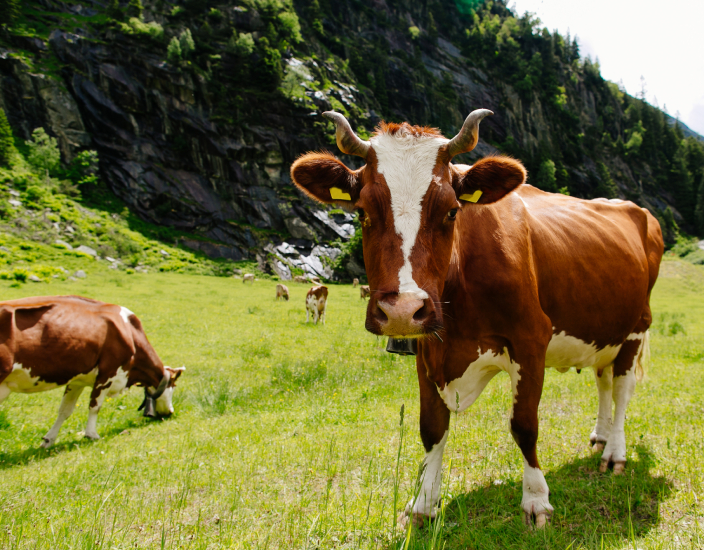
2021-06-21 Feed grade L-Threonine is often packed in common woven bags and placed in piles. Although it seems to us that livestock require little amount of L-Threonine, it is essential in reality. Because the synthetic amount of L-Threonine in livestock is not enough to meet their daily consumption, farmers need to choose appropriate method and amount according to the type and growth cycle of the livestock, preventing it from becoming a reason for restricting the growth of livestock.
Read More 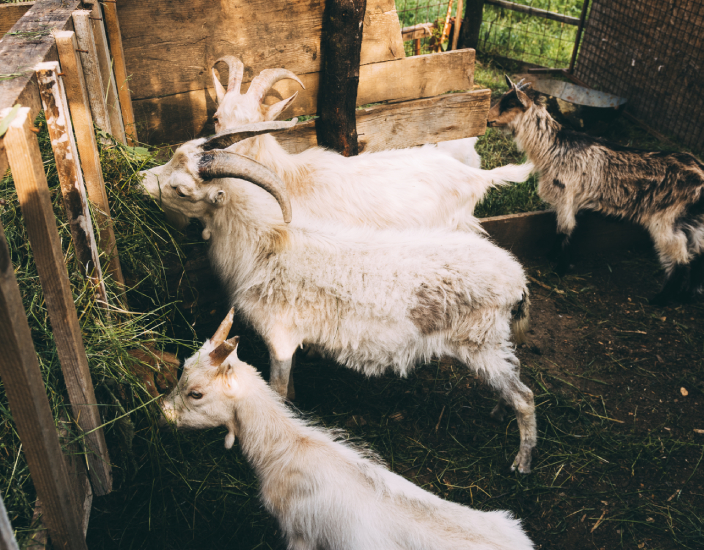
2021-06-17 No matter what kind of feed additives the farmers use, whether L-Threonine is imported or domestically produced, the key is ensuring health of the livestock in order to maximize production performance. If the L-Threonine crystal used is not safe, let alone increasing the production of meat, eggs, and milk, it will not even make the livestock reach their original level, even threaten their lives.
Read More 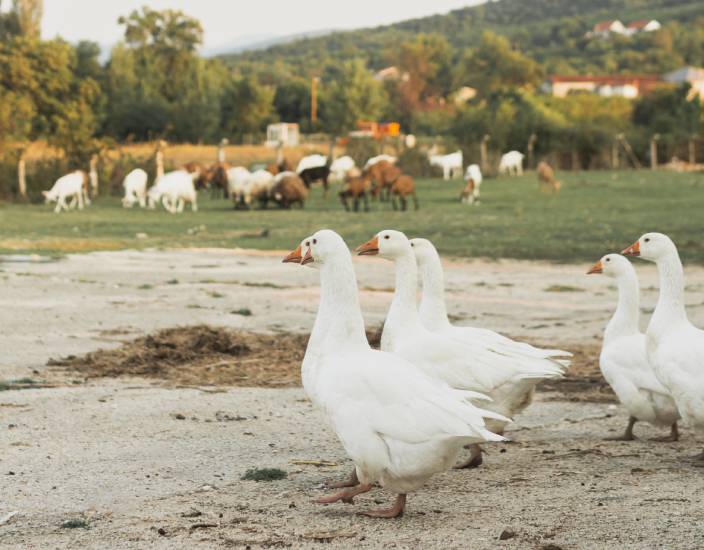
2021-05-12 Under the dual pressure of cost and environmental protection, feed additives have become a research hotspot in the field of animal nutrition since the 1990s. Many investigations and studies have found that using feed grade L-Threonine to replace part of the protein feed can improve the health of livestock and poultry and even improve feeding efficiency. The current L-Threonine crystal technology was originally derived from the study of its structural formula.
Read More 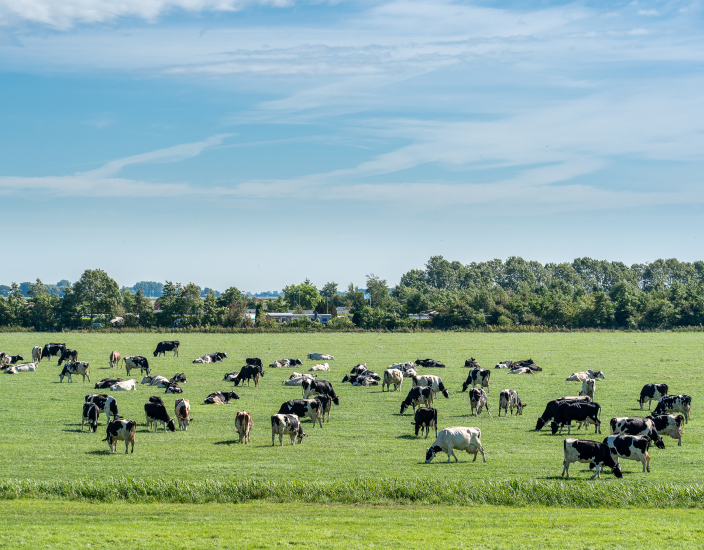
2021-05-02 Feed additives are a large family. Although the amount of livestock body demand is relatively small, the effect is rather large. Members of this family have different chemical structures, nutritional effects, and physiological effects. Among them, vitamin d3 is undoubtedly one of the most eye-catching stars. As a new green feed additive, feed grade vitamin d3 has been widely used in the feed industries.
Read More 
 English