





Tartaric Acid VS Citric Acid: What's The Difference?
From Polifar’s supplier perspective, this article compares two acidulants: tartaric acid and citric acid. They differ greatly in flavor, raw material sources, applications, costs and processing properties. Tartaric acid is widely used in winemaking, high-end baking and specialty candies, while citric acid fits beverages, general baking and broad-spectrum preservation. Both are safe when added in compliance with regulations. Industry FAQs are attached at the end, and Polifar offers one-stop sourcing of food additives. - Polifar
More >>
What Are Some Common Food Sweeteners
This article categorizes mainstream food sweeteners into four main types, comparing the raw materials, sweetness, characteristics, applications, and advantages and disadvantages of sucrose, erythritol, steviol glycosides, mogrosides, sucralose, and aspartame in a table. It provides selection advice for people controlling their sugar intake, losing weight, and those with diabetes, as well as baking and beverage manufacturers. The article also explains the safe use standards for sweeteners, predicts the development trend of natural, zero-calorie, and low-GI sweeteners, and recommends compliant sweetener supplier Polifar. - Polifar
More >>
Choline Chloride Deficiency In Poultry: Symptoms, Hazards And Remedies
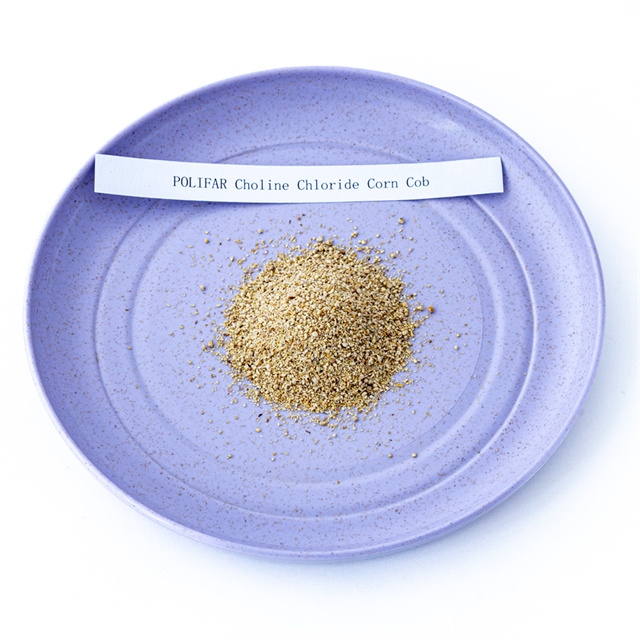
Choline chloride deficiency in poultry can lead to problems such as stunted bone growth, fatty liver, decreased egg production, and slow growth. This article details the symptoms, differential diagnosis, remedial measures, prevention strategies, and selection recommendations for different specifications of choline chloride products to help farms scientifically supplement vitamin B4 and improve production performance and economic benefits.- Polifar
More >>


