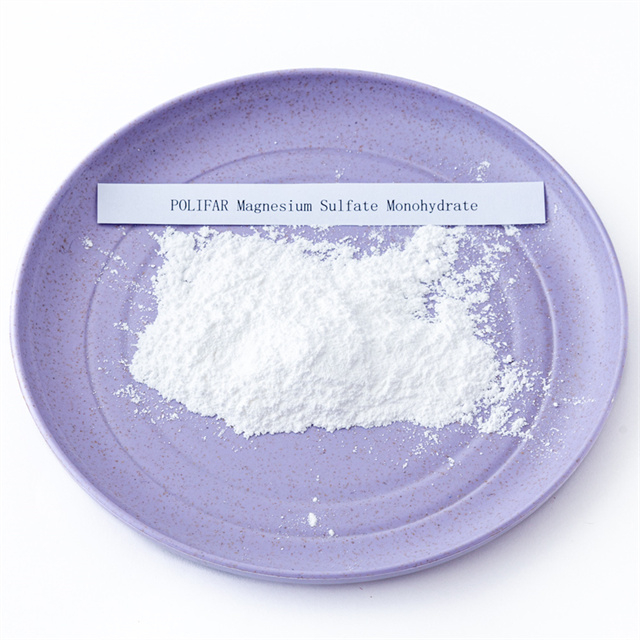
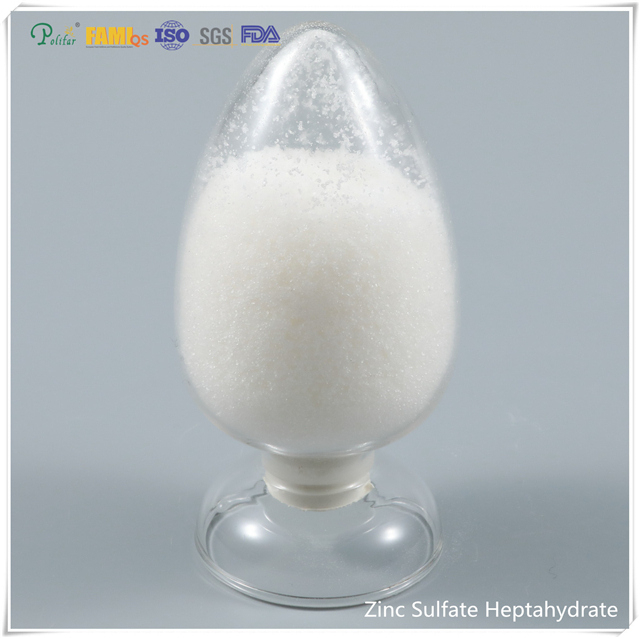
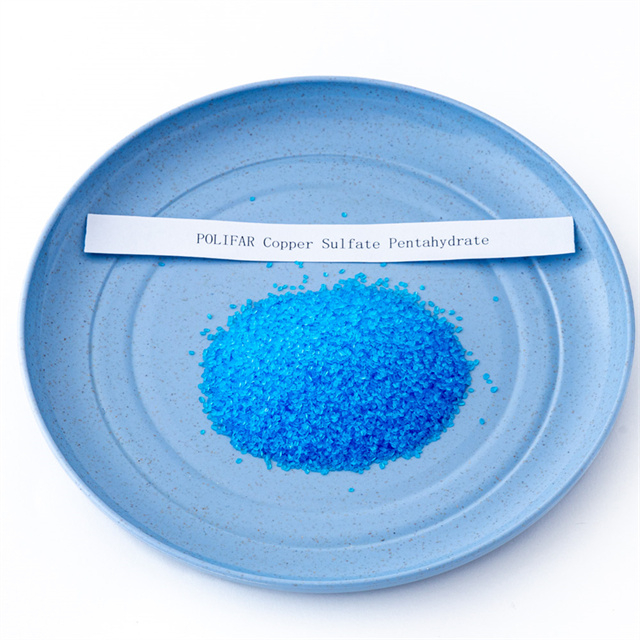
Feed additive trace elements are chosen for their essential role in animal nutrition. These elements, such as zinc, copper, iron, selenium, and others, are crucial for various physiological functions in livestock and poultry, including enzyme activity, immune function, and overall health. They are often added to animal feed to ensure that the animals receive the necessary trace elements for optimal growth, reproduction, and disease resistance. By choosing feed additive trace elements, producers can support the nutritional needs of their animals, promoting healthy development and efficient physiological functions.
Color: White powder or similar-white crystalline powder
Sales Models: wholesale
Min Order: 100kg
Shelf Life: Two years when properly stored
Packing: Net weight 25kg per carton Storage: stockpiled at the ventilated place, avoiding rain, moisture and insolation. Please handle with care to prevent bag damage, store away from toxic substances.
Color: White or almost White crystals Crystalline Powder
Sales Models: wholesale
Min Order: 100kg
Shelf Life: Three years when properly stored
Packing: Net weight 25kg per
Carton Storage: stockpiled at the ventilated place, avoiding rain, moisture and insolation. Please handle with care to prevent bag damage, store away from toxic substances.
Storage: stockpiled at the ventilated place, avoiding rain, moisture and insolation. Please handle with care to prevent bag damage, store away from toxic substances.
Storage: stockpiled at the ventilated place, avoiding rain, moisture and insolation. Please handle with care to prevent bag damage, store away from toxic substances.
Storage: stockpiled at the ventilated place, avoiding rain, moisture and insolation. Please handle with care to prevent bag damage, store away from toxic substances.
Storage: stockpiled at the ventilated place, avoiding rain, moisture and insolation. Please handle with care to prevent bag damage, store away from toxic substances.
Storage: stockpiled at the ventilated place, avoiding rain, moisture and insolation. Please handle with care to prevent bag damage, store away from toxic substances.
Packing: net 25kg/50kg in Plastic woven bags with PE lining
Storage: stockpiled at the ventilated place, avoiding rain, moisture and insolation. Please handle with care to prevent bag damage, store away from toxic substances.
Packing: Net 25kg in Plastic woven bags with PE lining
Storage: stockpiled at the ventilated place, avoiding rain, moisture and insolation. Please handle with care to prevent bag damage, store away from toxic substances.
$0
$0
Head Office: Room 612, Building B-1, Greenland Window Business Plaza, No. 2 Jinlan Road, Jiangning District, Nanjing
If you need food ingredients, feed additives, or feed premix, please feel free to contact us. We have an excellent technical team, which can be designed according to customers' requirements.

 English