



Minor texture and stability issues can undermine production efficiency, batch consistency, overall cost control and consumer experience.
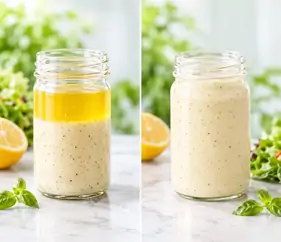
An unstable emulsion system leads to the separation of oil and aqueous phases, directly compromising the product's uniform texture and appearance.
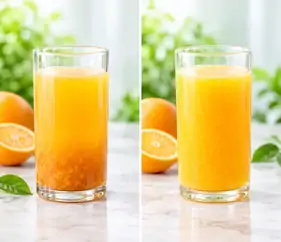
Insufficient suspension capacity causes solid particles to settle and aggregate, diminishing the product's perceived quality and mouthfeel.
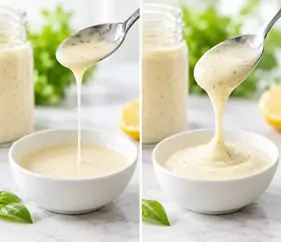
A mismatch between fluidity and viscosity leads to the settling of spices and seasonings, making the product prone to layering during storage.
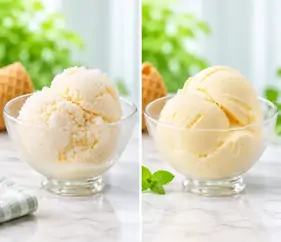
Structural changes occurring during freezing and thawing, combined with moisture migration, negatively affect the product's texture and appearance.
Tangibly impact the stability of a company’s products and are further amplified throughout the production process.
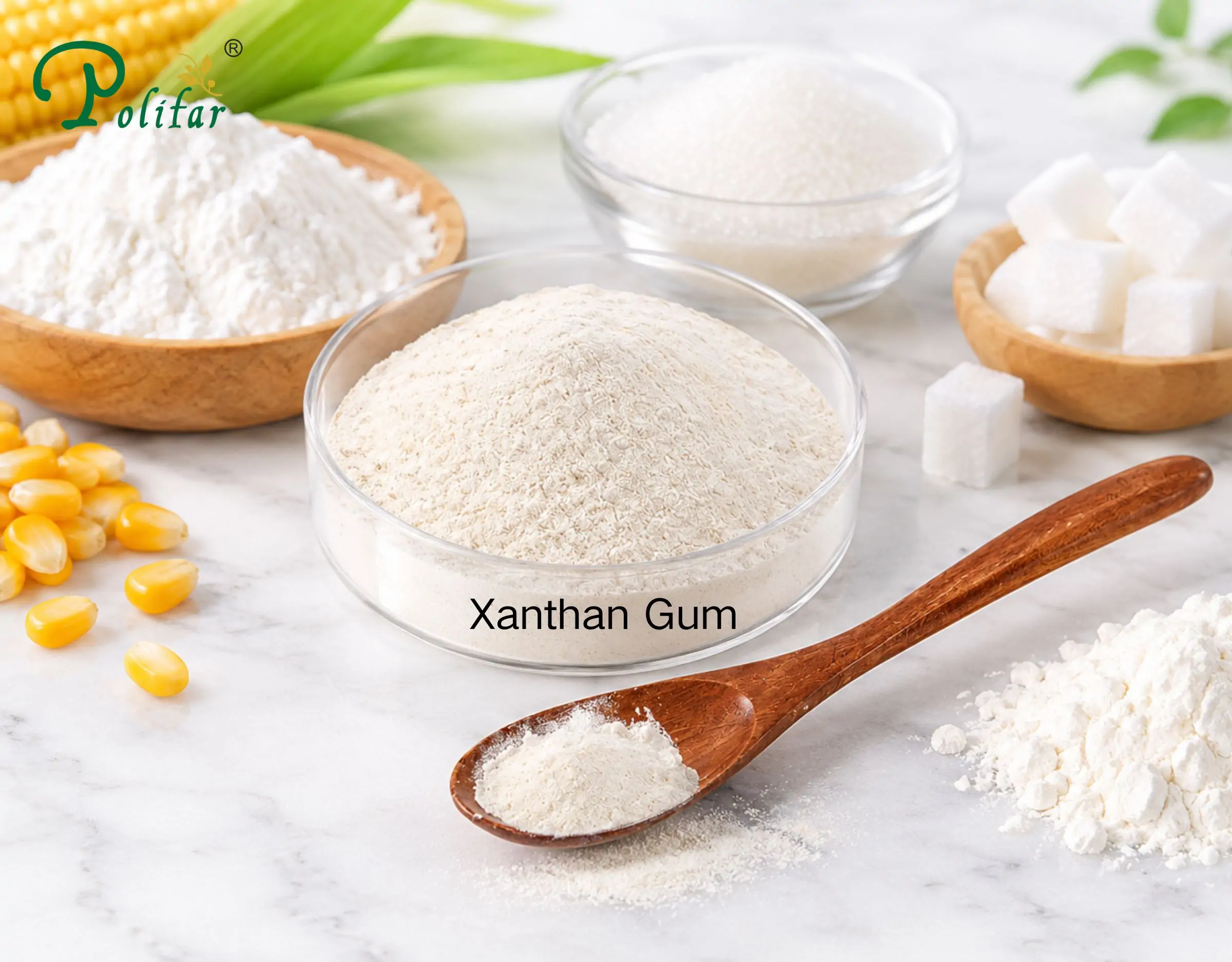
Xanthan gum is a white to light-yellow powder of high-molecular-weight polysaccharide colloid, widely used in food systems for thickening, suspension, emulsification, and rheology control. Key characteristics include broad pH stability, salt tolerance, thermal stability, and pseudoplastic (shear-thinning) behavior.
Commonly offered mesh sizes include 80 mesh and 200 mesh. Standard reference specifications (tested in a 1% KCl solution) indicate a viscosity range of 1,200–1,600 mPa·s. For exact parameters, please refer to the batch-specific Product Specification and Certificate of Analysis (COA).
From thickening to batch-to-batch consistency, every aspect is designed to make your formulation process more worry-free.
Xanthan gum can be compounded with locust bean gum, guar gum, CMC, lactates and other ingredients for remarkable thickening performance, helping food manufacturers achieve targeted texture profiles.
Its viscosity drops under high shear stress for easy pumping and canning, while high viscosity is restored at rest to effectively prevent sedimentation and phase separation.
It modifies the rheological properties of the continuous phase to keep particles suspended and greatly reduce sedimentation risks in formulations.
Tolerant to high-salt and acidic conditions. It maintains consistent viscosity and avoids separation after repeated high-temperature sterilization or freeze-thaw cycles.
It disperses and dissolves rapidly with low agglomeration, making it easy to handle during batching. The 80-mesh grade works well for oyster sauce, sauces and other applications with moderate dispersion requirements; the 200-mesh grade is ideal for beverages and frozen desserts.
Stable viscosity across batches with uniform molecular weight distribution and narrow viscosity deviation. It saves manufacturers labor and repeated formulation adjustment work.
Polifar mainly supplies food-grade xanthan gum in 80-mesh and 200-mesh grades. Industrial-grade and oil-drilling-grade xanthan gum are also available upon special request.
You can get the latest dated Certificate of Analysis (COA) and test data for incoming material inspection and formulation validation.
| Item | 80 Mesh Standard | 200 Mesh Standard |
|---|---|---|
| Appearance | Off-white or Light Yellow Free Flowing Powder | Off-white or Light Yellow Free Flowing Powder |
| ASSAY:(of carbon dioxide) | 91–108% (4.2%–5%) | 91–108% (4.2%–5%) |
| pass through(80 or 200mesh)% | (80 mesh)≥95.0 | (200 mesh)≥92.0 |
| Viscosity 1% XG in 1% KCL solution, mPa.s | 1300–1700 | 1300–1700 |
| Shear Ratio | ≥6.5 | ≥6.5 |
| PH (1%XG solution) | 6.0–8.0 | 6.0–8.0 |
| Loss on drying,% | ≤13.0 | ≤13.0 |
| Ash,% | ≤13.0 | ≤13.0 |
| Pyruvic Acid,% | ≥1.5 | ≥1.5 |
| V1:V2 | 1.02–1.45 | 1.02–1.45 |
| Total Nitrogen,% | ≤1.5 | ≤1.5 |
| Ethanol and Isopropyl alcohol,ppm | ≤500 | ≤500 |
| Total Heavy Metals(as Pb),ppm | ≤20.0 | ≤20.0 |
| Pb,ppm | ≤2.0 | ≤2.0 |
| As,ppm | ≤2.0 | ≤2.0 |
| Hg,ppm | ≤1.0 | ≤1.0 |
| Cd,ppm | ≤1.0 | ≤1.0 |
| Total Plate Count,CFU/g | ≤2000 | ≤2000 |
| Yeasts & Moulds,CFU/g | ≤100 | ≤100 |
| Coliforms,MPN/g | ≤3 | ≤3 |
| E.coli,in 5g | Negative | Negative |
| Salmonella | 0/25g | 0/25g |
| Staphylococcus Aureus | Negative | Negative |
| Xanthomonas campestris in 1g | Negative | Negative |
| Amylase Activity Test | Pass | Pass |
Covers six core sectors: sauces, beverages, dairy products, baked goods, frozen foods, and confectionery.
Select xanthan gum and choose the appropriate mesh grade based on your food system. Combined with your production process, it can effectively adjust sauce viscosity, improve particle suspension, and meet different requirements for flow behavior and texture.
Incorporate xanthan gum into the formulation to optimize viscosity and rheology, and enhance the stability of suspended liquids.
Xanthan gum delivers thickening and stabilizing effects in selected dairy products and drinks. It helps R&D teams fine-tune the mouthfeel, body and overall system of dairy products.
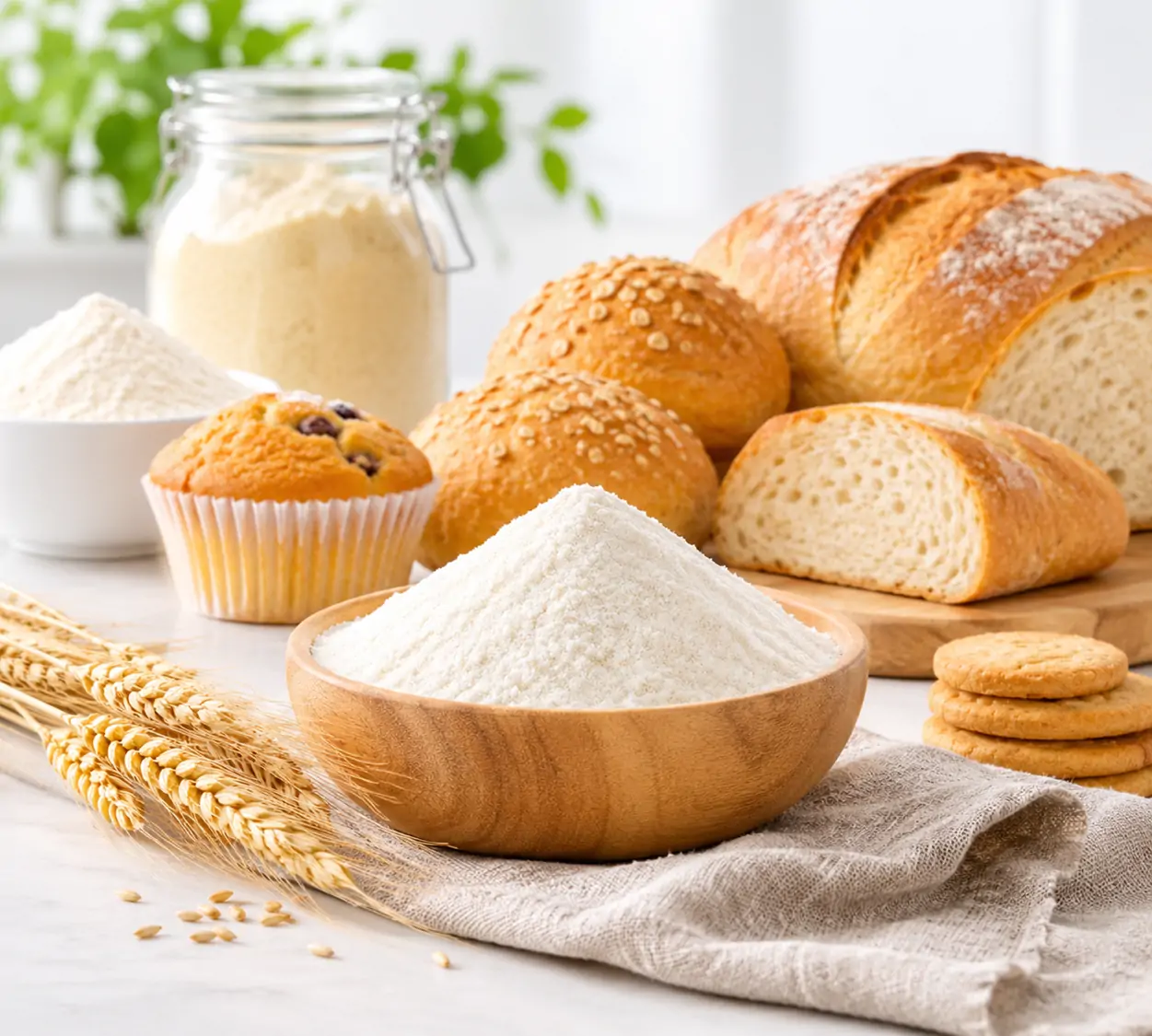
Proper addition of xanthan gum in gluten-free baking formulas provides elasticity and structural support, improving the processability of batters and doughs.

In ice cream and frozen desserts, xanthan gum helps control overall viscosity and retain water, boosting the physical stability of the food matrix.
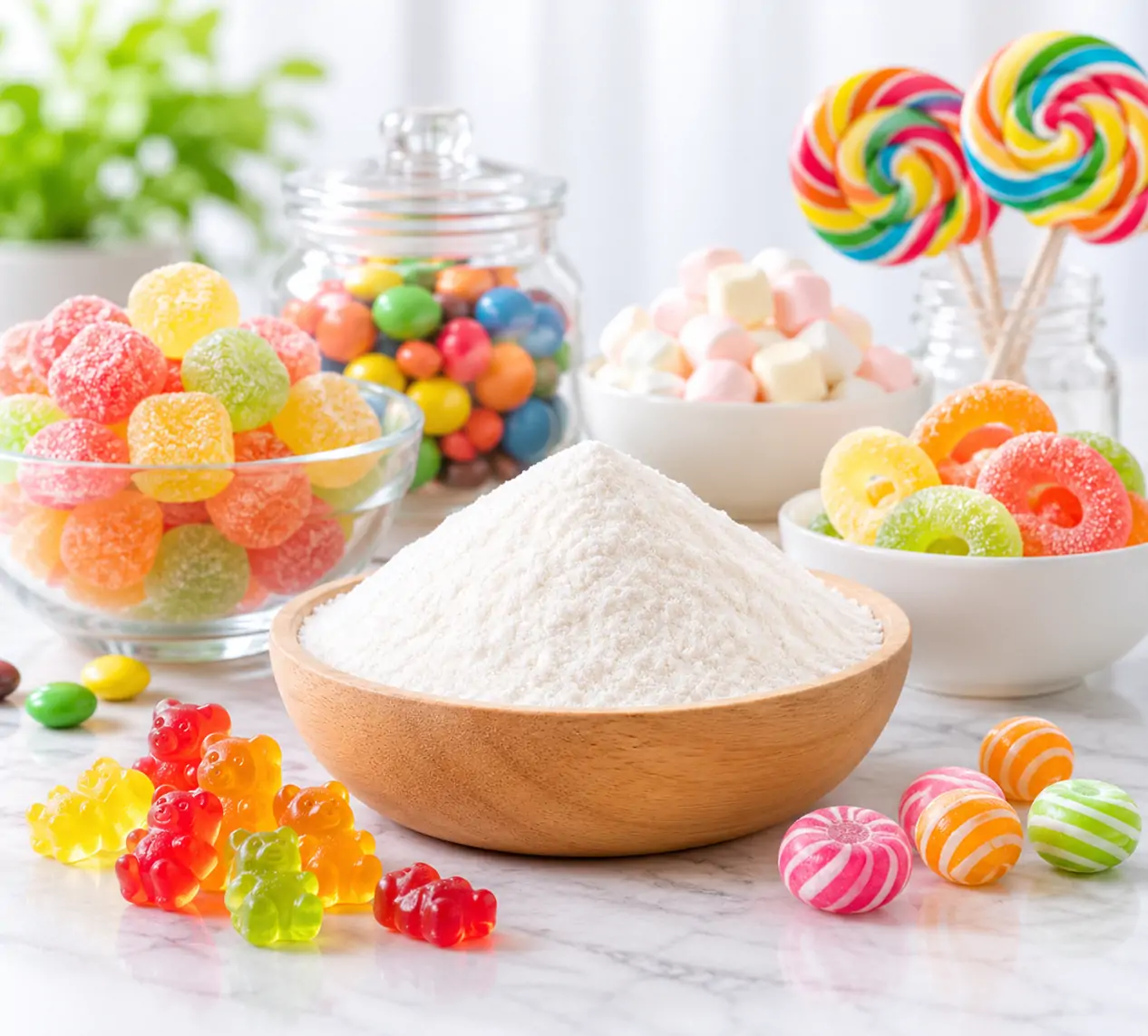
Used as a gel enhancer in confectionery, xanthan gum synergistically reinforces the gel network, locks moisture, inhibits sugar recrystallization and graining, stabilizes candy shape, improves chewiness, and reduces risks of sticking and deformation.
Industrial grade xanthan gum differs from food grade xanthan gum. Their applications must be strictly separated, and the two grades are not interchangeable. Designed for global energy exploration, industrial grade xanthan gum performs reliably under harsh geological conditions including high temperature, high salinity, high calcium and magnesium, offshore drilling, high brine formations and permafrost zones. It delivers outstanding cuttings carrying capacity and efficient fluid loss control.
Common Challenges in Oil Drilling Operations
Harsh downhole conditions: Mud properties tend to degrade and fail under high temperature, high salinity, high pressure and contamination. Viscosity drops downhole, leading to unstable fluid systems.
Risk of stuck pipe: Inadequate hole cleaning and poor cuttings transport allow rock debris to settle, which greatly increases the risk of stuck pipe.
Poor fluid loss control: Low-quality filter cake results in ineffective fluid loss control, raising the risk of wellbore collapse.
Suitable for selected drilling, completion and workover fluid systems. It withstands saturated brine and high-calcium environments and maintains stable mud performance at elevated temperatures.
Thanks to its distinctive shear-thinning behavior, it maintains high viscosity under low shear rates. This helps drilling fluids transport rock cuttings efficiently and keeps solid particles suspended in the fluid.
It forms a low-permeability filter cake on the wellbore wall to reduce fluid loss, stabilize the wellbore, minimize mud filtrate invasion into formations and protect hydrocarbon reservoirs.

| Comparison Dimensions | Food-Grade Xanthan Gum | Industrial-Grade / Oilfield Drilling-Grade Xanthan Gum |
|---|---|---|
| Executive Standards | National Standard for Food Additives (GB 1886.41) | Governed by internal corporate standards or oilfield-specific (XC polymer) standards; no national standard (GB) for food-grade applications exists. |
| Heavy Metals and Microorganisms | Strict limits on lead and arsenic; mandatory controls for total plate count, molds and yeasts, coliforms, and Salmonella | Not subject to the mandatory microbiological controls required for food-grade products; specifications are instead tailored to performance requirements for specific industrial applications. |
| Common Particle Sizes | Available in 80-mesh (for sauces/oyster sauce) and 200-mesh instant-dissolving (for beverages/cold drinks) | Primarily available as 40-mesh coarse granules (for oilfield drilling/fracturing), with 80-mesh versions also available for general industrial use. |
| Key Performance Focus | Controlled purity and enzyme residues; consistent batch-to-batch viscosity; excellent solubility and dispersibility | Key properties include viscosity in saline environments, resistance to calcium and magnesium ions, low-shear suspension capacity, and stable rheological performance at high temperatures. |
| Typical Applications | Applications: Condiments, beverages, meat products, baked goods, and frozen foods | Used as a viscosifier and fluid-loss control agent in drilling fluids, as well as in fracturing fluids, coatings, and agricultural pesticide suspensions. |
| Compliance Red Lines | Suitable for food use; the use of industrial-grade xanthan gum as a substitute for food-grade in food production is strictly prohibited | For industrial use only; must not come into contact with food. |
Xanthan gum is widely recognized in the food industry as a reliable thickener and stabilizer (E415), ensuring smooth texture and consistent product performance. However, its unique rheological properties also make it highly valuable in demanding industrial environments — especially in oil drilling operations, where fluid performance is critical.
At Polifar, we understand that different industries require different performance standards. That's why we supply both food grade xanthan gum (E415) and industrial grade xanthan gum for oil drilling applications, helping customers choose the right solution for their specific needs.
| Conform to the standard of API | |||
|---|---|---|---|
| Test Item(80 Mesh) | Specification | Test Item(200 Mesh) | Specification |
| Appearance | Off-white or Light Yellow Free Flowing Powder | Appearance | Off-white or Light Yellow Free Flowing Powder |
| Dry Sieve Analysis,%Thru US #40 | ≥95.0 | Thru200mesh,% | ≥85.0 |
| Dry Sieve Analysis,%Thru US #200 | ≤50.0 | Viscosity1%XGin1%KCLsolution,mPa.s | ≥1300 |
| Shear Ratio | ≥6.5 | ShearRatio | ≥6.5 |
| PH(1%XG solution) | 6.0-8.0 | PH(1%XGsolution) | 6.0-8.0 |
| Loss on Drying,% | ≤13.0 | LossonDrying,% | ≤13.0 |
| Ash,% | ≤13.0 | Ash,% | ≤13.0 |
| Pyruvic Acid, % | ≥1.5 | Pyruvic Acid, % | ≥1.5 |
| Rheology Test 0.28%XG in Sea Water Solution | |||
| 600 rpm,mPa.s | ≥70.0 | 600rpm, mPa.s | ≥70.0 |
| 300 rpm,mPa.s | ≥55.0 | 300rpm, mPa.s | ≥55.0 |
| 200 rpm,mPa.s | ≥45.0 | 200rpm, mPa.s | ≥45.0 |
| 100 rpm,mPa.s | ≥35.0 | 100rpm, mPa.s | ≥35.0 |
| 6 rpm,mPa.s | ≥18.0 | 6rpm, mPa.s | ≥18.0 |
| 3 rpm,mPa.s | ≥16.0 | 3rpm, mPa.s | ≥16.0 |
| 1.5rpm,mPa.s Brookfield LV,1.5rpm(mPa.s) | ≥1950 | 1.5rpm,mPa.s BrookfieldLV,1.5rpm(mPa.s) | ≥1950 |
| 1. For beverages & sauces | 2. For dairy & creamy texture |
| Xanthan Gum (premium stability) or CMC (cost-effective choice) | CMC (smooth & stable) or Gelatin (better mouthfeel) |
| 3. For gummies, jelly, desserts | 4. For innovative / functional foods |
| Gelatin (soft & elastic) or Sodium Alginate (firm gel) | Sodium Alginate (encapsulation, molecular gastronomy) |
Different thickeners are not interchangeable — selecting the right one can significantly impact:
Polifar provides a full portfolio of thickening solutions to support your formulation needs.
We use Polifar xanthan gum in the production of chocolate sandwich pies. It works well overall, meeting our requirements for texture and stability. Communication on supply arrangements has also been smooth.
We apply xanthan gum for drilling fluid preparation. Complete product documentation is provided. Its dispersion and performance match our test expectations. The procurement team is professional, and we look forward to continued cooperation.
