| Comparison Items | Feed-grade L-Lysine HCl | Feed-grade L-Lysine Sulfate | Liquid Methionine / Liquid DL-Methionine |
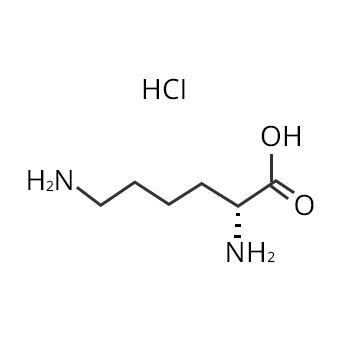
| Product Type | Essential Amino Acid Supplement | Essential Amino Acid Supplements | Sulfur-containing essential amino acid supplements |
| Main Active Ingredients | L-Lysine Hydrochloride | L-Lysine Sulfate | Liquid methionine (usually DL-methionine or methionine solution) |
| Typical Content | L-Lysine Hydrochloride ≥98.5%; Available lysine approximately 78.8%-80% | Lysine sulfate approximately 70%-75%; available lysine approximately 55% | Liquid methionine typically contains ≥50% available methionine (depending on product type) |
| Main Nutritional Functions | Supplementing the first limiting amino acid, lysine, to improve protein utilization | Provides lysine, while also providing some sulfate and fermentation byproduct nutrients | Supplementing with methionine promotes protein synthesis, feather/hair growth, and metabolism |
| Main Animals Used | Suitable for pigs, poultry, aquatic animals, and ruminants | Suitable for pigs, poultry, and aquatic animals | Suitable for broilers, laying hens, pigs, aquaculture, and ruminants |
| Typical Application Scenarios | Corn-soybean meal diets, low-protein diets, and compound feeds for pigs and poultry | Cost-sensitive feed formulations, large-scale livestock and poultry feeds | High-protein, high-performance feeds, poultry diets, liquid additive systems |
| Most Common Application Areas | Feed for pigs, broilers, laying hens, and aquatic animals | Pig feed, poultry feed, economical formulations | Poultry feed, pig feed, aquaculture feed, liquid feeding systems |
| Core Advantages | ① High purity
② High effective lysine content
③ Precise dosage
④ Good flowability, convenient for automated production | ① Generally more competitive in price
② Lower unit cost
③ Provides sulfur
④ Suitable for large-scale feed production | ① Liquid form allows for continuous addition
② Excellent mixing uniformity
③ Reduced dust
④ Suitable for automated liquid spraying systems |
| Nutritional Utilization Efficiency | ★★★★★ High per-kilogram product provides more effective lysine | ★★★★☆ Higher lysine content requires consideration of effective lysine ratio | ★★★★★ High methionine absorption and utilization rate with stable absorption |
| Price Advantage | Higher purchase price per ton, but higher proportion of effective ingredients | Lower price per ton, significant cost control advantage | Continuous addition advantage after equipment matching |
| Value to Formulators | Precise adjustment of lysine levels to achieve low-protein formulations | Reduces formulation costs and improves economic efficiency | Balanced protein amino acid ratio, improving feed efficiency |
| Value to Feed Mills | Stable product, accurate measurement, and convenient production management | Reduces raw material costs and enhances market competitiveness | Reduces dust and improves automated production efficiency |
| Physical Form | White crystalline powder/granules | White to light brown powder | Yellow to brown transparent liquid |
| Storage Characteristics | Dry, moisture-proof, and highly stable | Moisture-proof and anti-caking | Pay attention to temperature, packaging sealing, and transportation conditions |
| Key Customer Concerns | Purity, lysine content, moisture, ash, particle size, flowability, solubility, heavy metals, microorganisms | Effective lysine content, moisture, sulfate content, impurities, flowability, and anti-caking ability | Methionine content, concentration, pH, moisture, stability, color, and impurity control |
| Suitable Customer Types | Pursuing stable quality
Exporting feed companies
Large feed groups | Suitable for large feed mills that prioritize cost control | Modern feed companies with liquid addition systems |