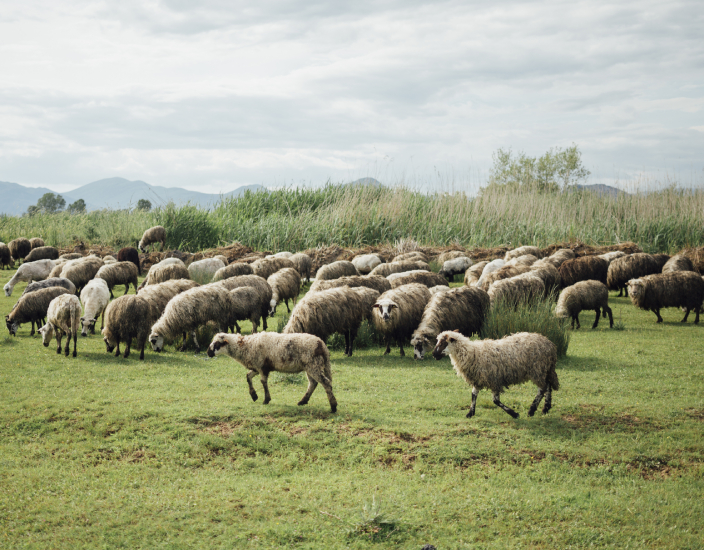
2021-01-16 For a long time, the imbalance of microbial carbon distribution has hindered the accumulation of natural metabolites. Among them, feed grade L-Threonine is an important amino acid, no matter for livestock or the ones who raise livestock. L-Threonine cannot be synthesized in livestock bodies and must be supplied through feed. Therefore, adding an appropriate amount of L-Threonine crystal to the daily feed has become more and more important.
Read More 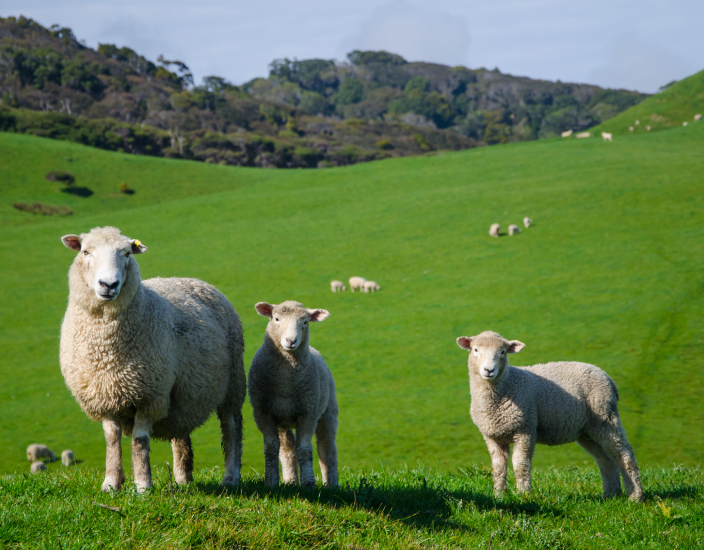
2021-01-12 L lysine hydrochloride is an amino acid necessary for the growth of livestock. At present, premix has been widely used in breeding process of modern cultivation industry. As the star of the premix, does the sheep premix contain feed grade L lysine hydrochloride as well? What role can L lysine hydrochloride play in sheep raising?
Read More 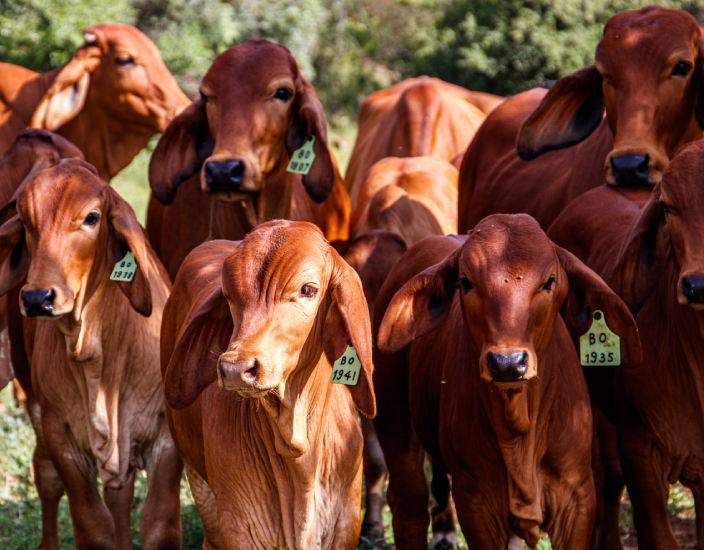
2020-08-30 Calcium phosphate in feed is usually made from phosphoric acid waste liquid. It is gray or brown and has an odor. After defluorination treatment, it is called defluorinated calcium phosphate. It is an off-white or dark brown powder, containing more than 29% calcium, 15% to 18% phosphorus, and 0.12% fluorine.
Read More 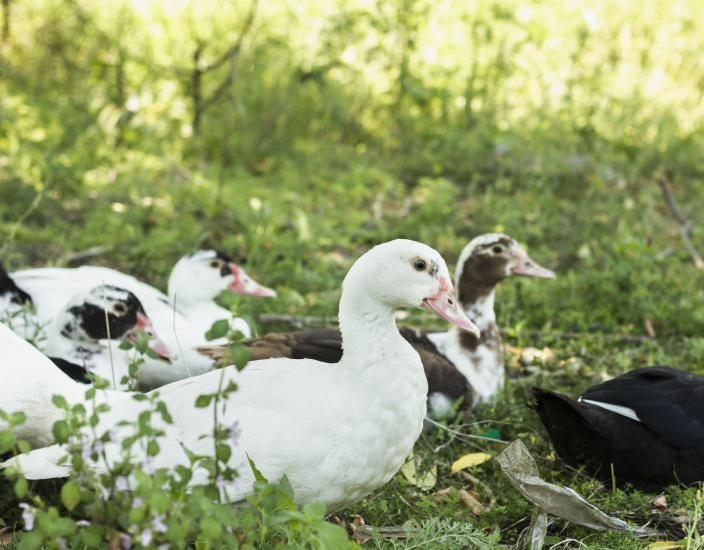
2020-08-07 Modern, 21st century feed production has countless options for adding nutrients; polypeptides with phytase activity, inorganic copper chelates, or polynucleotide sequences, to name a few. But the feed producer’s weaponry still holds a place for older, low-tech nutrition: phosphate feed additives. Today, dicalcium and monocalcium phosphate are still popular choices for feed supplementation, just as they were when they were first developed over sixty years ago.
Read More 
 English