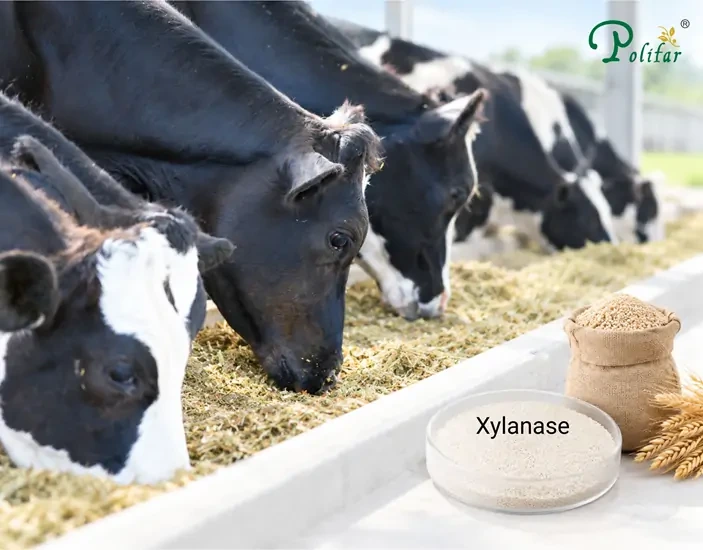
2026-10-13 Explore xylanase in animal feed, including its mechanism, benefits, and applications in poultry, pigs, ruminants, and aquaculture. Learn how feed ingredients, processing conditions, and enzyme combinations affect performance, with insights from Polifar. - Polifar
Read More 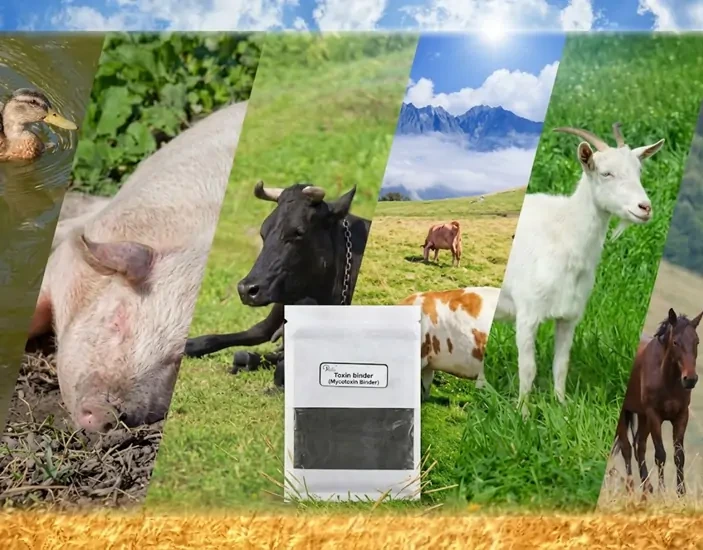
2026-09-10 Mycotoxins in animal feed can impair growth, immunity, reproduction, gut health, and feed efficiency. This article explains how mycotoxin binders work, their main types, applications, selection criteria, and common usage mistakes. - Polifar
Read More 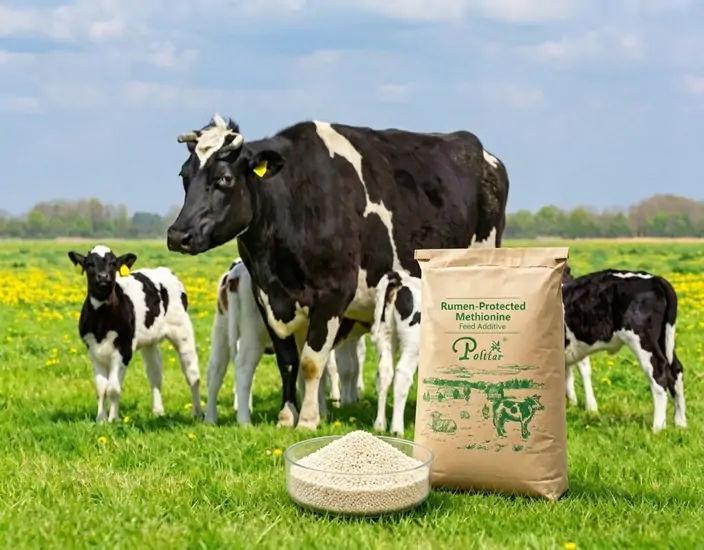
2026-09-01 Rumen-protected methionine is a key feed additive for ruminants. By improving intestinal methionine supply, it supports milk protein synthesis, metabolic health, antioxidant defense, reproduction, nitrogen utilization, and precision protein nutrition. Rumen-Protected Methionine as a Feed Additive: Benefits, Uses and Applications in Ruminants - Polifar
Read More 
2026-07-15 Feed-grade Manganese Sulfate Monohydrate is an essential trace element supplement for poultry, swine, ruminants, aquatic animals and pets. It features excellent water solubility and high absorption & utilization rates, complying with multiple feed-grade standards. It participates in bone development, reproductive function maintenance and the synthesis of enzymatic systems. This article compares various manganese sources, elaborates on methods to identify the quality of manganese sulfate, and analyzes the global demand outlook for manganese in the future. - Polifar
Read More 
 English