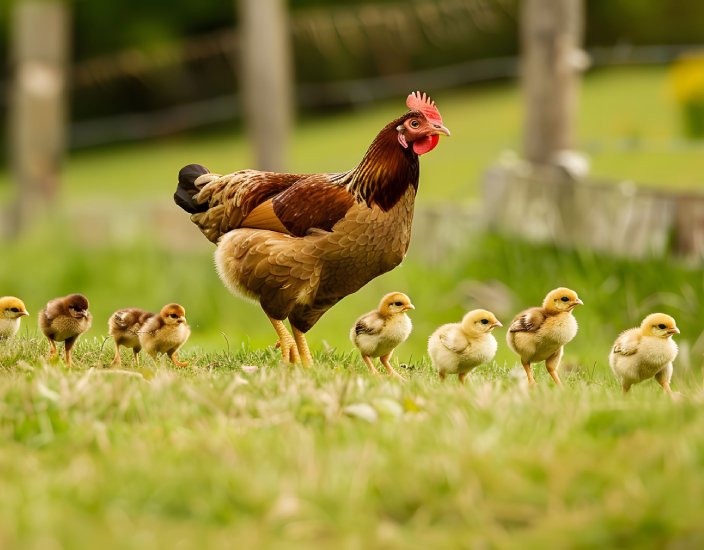
2021-08-14 Compared with feed additives research that has only been around for decades, our country has a long history of keeping poultry, and laying hens are one of important sources of income. Since laying hens have an important mission to produce eggs, their demand and consumption of vitamin d3 powder are very large, which determines that vitamin d3 plays an important role in layer feed.
Read More 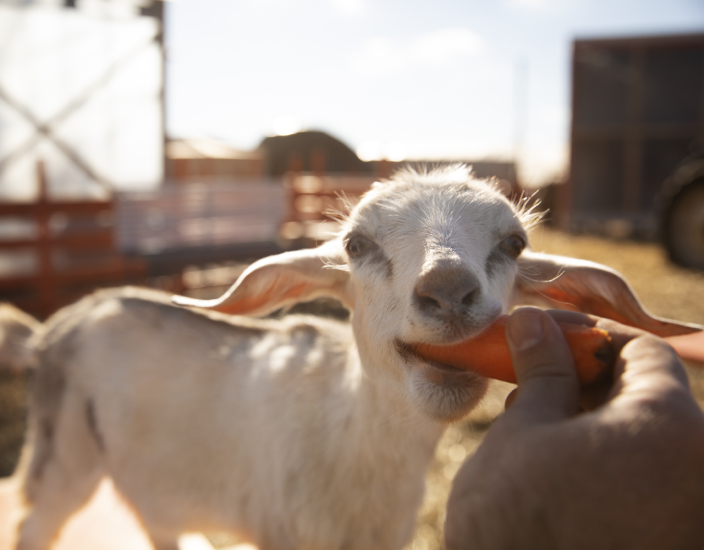
2021-08-11 L-Threonine is an element necessary for the growth of many livestock. After this point was discovered, feed grade L-Threonine became more and more popular, and people's interest in the application of crystalline L-Threonine in various livestock production has gradually increased. It continues to appear in domestic and foreign science and technology magazines.
Read More 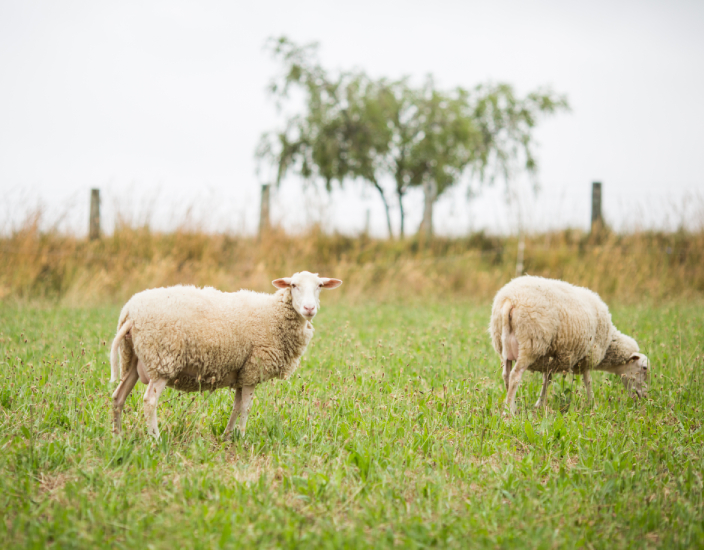
2021-08-07 The serious shortage of protein feed resources has always been a bottleneck problem that plagues balanced development of my country's feed industry, and the rapid adjustment in the breeding mode has also put forward new requirements for feed additives. L lysine hydrochloride crystal has become the preferred feed additive for many livestock in this situation, which can reduce nitrogen emissions and improve protein utilization.
Read More 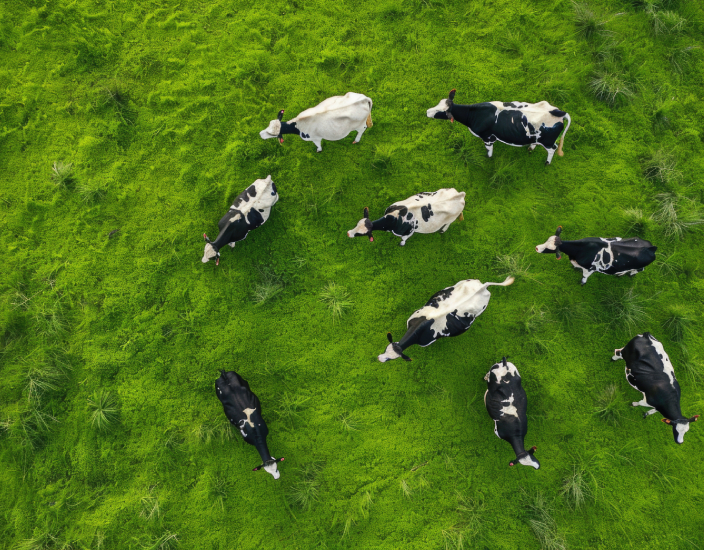
2021-08-04 The use of feed grade L-Threonine makes livestock more productive, and in turn, high-yielding livestock puts forward higher restrictions on the formulators, requiring formulators to match balanced feed additives and provide nutrients that meet the needs to support the high yield of dairy cows. The effect of L-Threonine crystal determines its charm, but it is not a simple matter to maximize its use efficiency.
Read More 
 English