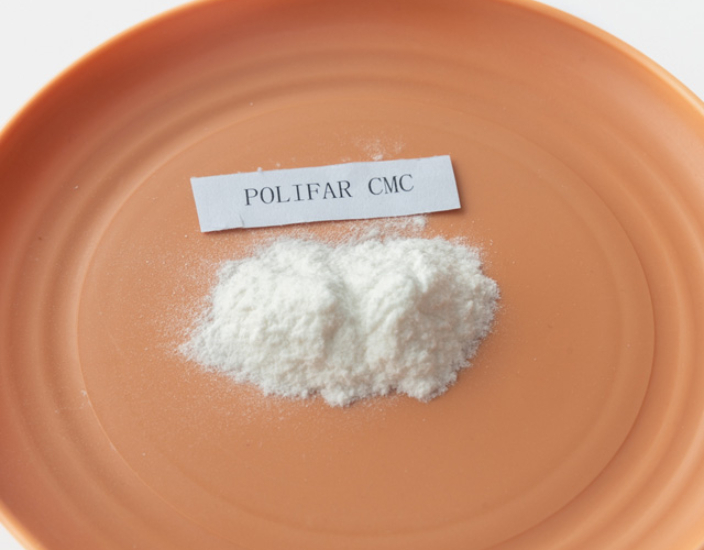
2021-12-28 Sodium carboxymethyl cellulose is abbreviated as CMC-Na, white to light yellow powder, granular or fibrous substance, strong hygroscopicity, easily soluble in water, when neutral or alkaline, the solution is a high-viscosity liquid. Stable to medicine, light and heat.
Read More 
2021-12-24 Xanthan gum has a wide range of applications in more than a dozen fields such as food, petroleum, medicine, daily-use chemicals, and its high degree of commercialization and wide application range make it unmatched by any other microbial polysaccharide.
Read More 
2021-08-21 We often consume fruits and vegetables in order to obtain vitamins. Similarly, livestock also need to consume vitamin d3 to ensure healthy life activities. For livestock, vitamin d3 has the highest biological metabolism rate in this large family. Under the conditions of intensive raising, when farmers still feel a headache about how to ensure ventilation, not to mention allowing the livestock to get enough sunlight.
Read More 
2021-08-18 L lysine hydrochloride plays an important role in significantly simplifying the production process, saving a lot of capital investment, and balancing nutrition of livestock and poultry compound feed. From terrestrial livestock to aquatic ones, almost all can take in feed with feed grade L lysine hydrochloride. According to the survey, adding 0.2% lysine to the feed can increase daily weight gain by about 10%.
Read More 
 English