 English



 |


| Color: White Powder Sales Models: wholesale Min Order: 10mt Shelf Life: two years when properly stored Packing: net 25kg in Plastic woven bags with PE lining Storage: stockpiled at the ventilated place, avoiding rain, moisture and insolation. Please handle with care to prevent bag damage, store away from toxic substances. | |||||||||
Betaine HCl Content/% ≥ 98.0
POLIFAR
292390
Product Description
| CAS No.: | 590-46-5 | Other Names: | glycine betaine |
| Molecular formula: | (CH3)3NCH2COO.HCl | EINECS No.: | 203-490-6 |
| Place of Origin: | China | Type: | Feed grade |
| Efficacy: | promote growth | Brand Name: | Polifar |
| Model Number: | feed additives | Appearance: | white powder |
| Shelf Life: | 2 years | MOQ: | 1000kg |
| Sample: | Free,≤500g |
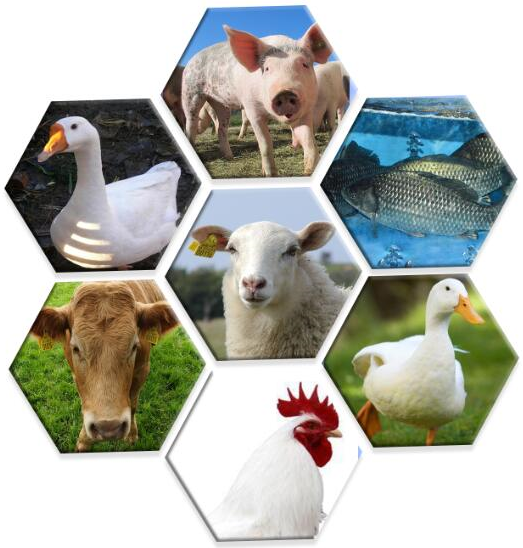
Betaine, chemically named trimethylglycine, is a kind of efficient, high-quality and economical feed additive widely applied in poultry, pigs and aquaculture industry. It plays important roles in animals growth and breeding as following functions:
As an efficient methyl supplier, it can partly take the place of methionine and choline, and lower the cost of feed. Promote the metabolism of fat and improve the quality of carcass.
As the buffering substance, it can balance of osmotic pressure and enhance the growth rate under stressed conditions. Lead to good appetite in aquaculture. Maintain the stability of vitamin in feed.
Betaine Hydrochloride has been found to improve the digestion system in living bodies, both human and domesticated animal.
Sunwin, KYSTONE, haierxi, actor
Specification
Testing Item | Standard | Result |
Betaine HCl Content/% | ≥ 98.0 | 98.82 |
Appearance | White Crystalline powder | White Crystalline powder |
Drying Loss /% | ≤ 0.50 | 0.28 |
TMA Residue/% | ≤ 0.03 | 0.0105 |
Heavy metal (Pb)/% | ≤ 0.001 | <0.001 |
Ignition residue/% | ≤ 1.5 | 0.41 |
arsenic/% | ≤ 0.0002 | <0.0002 |
Packaging & Delivery
| Product Storage: | Stockpiled at the ventilated place, avoiding rain, moisture and insolation. Please handle with care to prevent bag damage, store away from toxic substances. |
| Product Packaging: | Net 25kg in Plastic woven bags with PE lining. |
| Loading: | 20MT/20FCL'; 18MT/20FCL' with pallets |
| Delivery: | About 1 - 2 week |
FAQ
Q1: What is anhydrous betaine hydrochloride?
A1: Anhydrous betaine hydrochloride is a feed additive commonly used in the feed for poultry and livestock. It is a form of trimethylglycine, also known as betaine. As a crucial methyl donor, betaine plays a significant role in the growth, development, and health of animals. Adding Anhydrous betaine hydrochloride to feed helps promote digestion and absorption in animals, improves feed utilization, and has some efficacy in addressing environmental and heat stress. Additionally, Anhydrous betaine hydrochloride is believed to enhance animal growth performance, muscle quality, and antioxidant capacity.
Q2: What is betaine hydrochloride anhydrous used for?
A2: Anhydrous betaine hydrochloride is primarily used as a feed additive in animal nutrition, commonly incorporated into the diets of poultry, swine, and other livestock species. It serves multiple purposes in animal feed. Firstly, it aids in osmoregulation, helping animals maintain proper hydration levels, especially during heat stress or high temperatures. Secondly, anhydrous betaine hydrochloride improves digestion and nutrient absorption by enhancing the activity of digestive enzymes, leading to better utilization of nutrients from feed ingredients. Additionally, studies suggest that betaine supplementation may promote growth performance in animals by supporting protein synthesis and muscle development. Furthermore, betaine has been shown to reduce the negative effects of stress on animals, such as oxidative stress, and improve immune function, contributing to overall health and well-being. Finally, betaine plays a role in energy metabolism, potentially increasing energy utilization efficiency in animals, which can translate to improved feed conversion ratios and production efficiency. Overall, anhydrous betaine hydrochloride is valued for its ability to support animal health, performance, and productivity, particularly during periods of stress or challenging environmental conditions.
Exhibition