 English

Views: 0 Author: Site Editor Publish Time: 2026-03-20 Origin: Site


β-Carotene is currently the most popular orange-yellow natural pigment. It not only imparts a vibrant orange-yellow color to food but also possesses important physiological functions, serving as a crucial precursor to Vitamin A. Given its three major functions—coloring, nutrition, and antioxidation—and its purely natural characteristics, it can be safely used as a food additive, greatly facilitating human life. Therefore, β-carotene has enormous market potential.
Polifar Group has compiled and organized information on β-carotene from multiple perspectives, including: its basic properties, physiological functions and health value, applications in the food industry, safety, and future development trends, providing a clearer and more comprehensive understanding of β-carotene.

β-Carotene belongs to the carotenoid family and is a fat-soluble natural pigment widely found in various vegetables and fruits, such as carrots, pumpkins, spinach, and mangoes. Chemical Formula: C₄₀H₅₆
Molecular Weight: 536.88
CAS No.: 7235-40-7
EINECS No.: 230-636-6
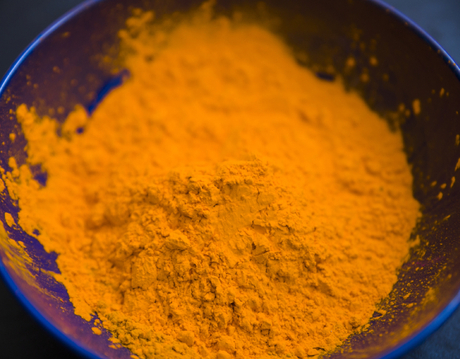
The pure product is a purplish-red or dark red crystal or crystalline powder, with a content generally of: 1%; 10%; 20%; 30%; 50%; 90%; 99%. As a food additive, the most commonly used is β-carotene with a content of 10%.
For details, please refer to the table below for clarity:
| Property Indicators | Specific parameters: |
| Appearance | Reddish-purple to dark red crystalline powder |
| Melting Point | 176~182℃ |
| Boiling Point | 654.7℃ |
| Density | 0.941 g/cm³ |
| Residue on ignition | ≤0.2% |
| Loss on drying | ≤0.2% |
| Heavy metal Pb | ≤5mg/kg |
| Heavy metal As | ≤2mg/kg |
| Solubility | Insoluble in water, propylene glycol, and glycerol; soluble in carbon disulfide, benzene, chloroform, and vegetable oil; slightly soluble in ether and petroleum ether; almost insoluble in methanol and ethanol. |
| Stability | Unstable to light, heat, and oxygen; not resistant to acids; relatively stable in weakly alkaline conditions. |
| Storage Conditions | Recommended storage: -20℃, protected from light. |
Natural Sources:
β-carotene is widely found in the leaves, flowers, and roots of animals and plants. Natural sources include:
Carrots: approximately 0.0036% by fresh weight.
Goji berries: up to 96.00 mg per 100g of fresh goji berries.
Vegetables such as potatoes and corn.
Other Sources:
In addition, β-carotene can also be produced through chemical synthesis and microbial fermentation. Chemical synthesis is less expensive, but the product is almost entirely in the trans isomer form; fermented beta-carotene is considered a good solution for "pursuing natural pigments and natural food ingredients".
If you have questions about the packaging and shipping of beta-carotene products, you can check the product page for "Food Coloring 10% E160A Beta-Carotene Powder Additive".
Many people don't know that beta-carotene is actually a "precursor" to vitamin A. After we ingest it, it is broken down in the small intestine by a substance called carotene dioxygenase, turning into retinaldehyde or retinol—these two substances are key to the function of vitamin A.
This "decomposition before function" characteristic is particularly safe: it can help us supplement the vitamin A our bodies need without worrying about poisoning from excessive supplementation. It's important to know that directly supplementing vitamin A in excess can be risky, but beta-carotene is slowly converted according to the body's needs, and the excess will not be used indiscriminately.
In addition to its antioxidant properties, β-carotene has another practical benefit—it helps the body fight oxidation. Simply put, our bodies produce harmful waste (free radicals) and a substance called singlet oxygen. These substances can damage body cells and potentially cause inflammation. The unique structure of β-carotene can easily remove this waste, inhibit inflammation, and protect body cells.
Studies have found that this antioxidant effect can also protect our blood vessels: it can prevent low-density lipoprotein (LDL) in the blood (simply put, "bad fat") from turning into harmful oxidized LDL. This oxidized "bad fat" is key to narrowing blood vessels and causing atherosclerosis. Therefore, supplementing with β-carotene can also help slow down the rate of arteriosclerosis.
Furthermore, β-carotene can enhance immunity: it can make immune cells in the body more active, promote the release of immune-related substances, and make the body more resistant. For this reason, it is widely used in functional foods and health foods. In the future, it will continue to play a significant role in the food market. (4) Other Health Functions
Promoting Growth and Development: It has a positive effect on the growth and development of children and adolescents.
Maintaining Vision Health: As a precursor to Vitamin A, it is essential for maintaining normal visual function.
Preventing Chronic Diseases: Epidemiological studies show that adequate intake of β-carotene is associated with a reduced risk of certain cancers and cardiovascular diseases.
β-carotene also has two practical uses and is widely applied:
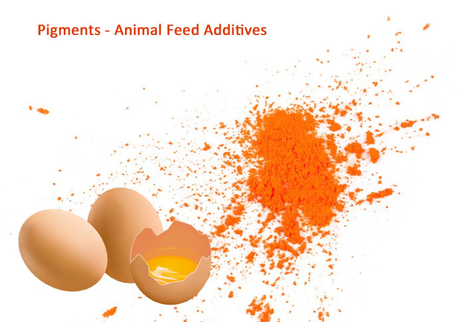
First, it can be used as a natural pigment. Depending on the amount added, it can produce various colors from red to yellow, so the food industry particularly likes to use it. As a natural yellow pigment, it can also replace artificially synthesized tar-based pigments in many foods such as margarine, pastries, bread, cheese, and instant noodles, making these foods more naturally colored and appealing.
It can supplement the nutrition of food. Now the national regulations on food additives are stricter, and the application of β-carotene as a nutritional supplement is more standardized. It can be found in infant formula, yogurt, fruit juice, and health products, helping people supplement vitamin A.
In addition, it is used in novel foods: for example, in 3D printed foods, some studies have added it to fish paste to create nutritious and delicious new foods; there are also functional beverages, which use special technology to add β-carotene, making it more stable and easier to absorb.
However, β-carotene is sensitive to light, heat, and oxygen, and is prone to deterioration. There are now many solutions, such as encapsulating it with special materials or using it in combination with vitamins E and C, which can effectively protect its effects.
There is no need to worry about the safety of β-carotene. It has been used as a food additive for many years and is very safe. For example, dogs will not be poisoned by oral administration of large amounts of β-carotene. The US FDA has also recognized it as safe, and there is no problem with daily intake according to body weight (not exceeding 5 mg per kilogram of body weight).
A review study published in the *Journal of Food Safety and Quality Testing* also confirmed that it has antioxidant properties, enhances immunity, and is beneficial to health. It is now commonly used in health products, cosmetics, and food, and its safety is guaranteed. β-carotene plays a positive role in human nutrition and health.
Although β-carotene has high safety, the following precautions should still be taken when using it:
Stability control: Pay attention to light protection, oxygen isolation, and low-temperature storage.
Usage limits: Comply with the maximum usage specified in GB 2760.
Prohibited in specific foods: For example, it cannot be used in distilled spirits.
With consumers' increasing demands for health, people are increasingly favoring natural β-carotene, such as products obtained through fermentation and natural extraction. Compared with chemically synthesized products, naturally sourced β-carotene also has superior biological activity.
Related technologies have been continuously upgraded. For example, various new methods have been used to solve the problems of β-carotene's poor solubility and easy deterioration, expanding the application possibilities of β-carotene in various food systems.
With the increasing awareness of nutrition and health, the use of β-carotene in functional foods and health foods is becoming increasingly widespread. The transformation from its traditional coloring function to a multifunctional direction of nutritional fortification and health promotion is an important future development trend for the application of β-carotene.
The implementation of the new Chinese standard GB 2760-2024 formally includes nutritional fortifiers in the category of food additives, providing clearer regulatory guidance for the application of β-carotene as a nutritional fortifier. Food manufacturers need to pay close attention to changes in standards and adjust product formulations and labeling in a timely manner.
In general, β-carotene is both a natural pigment and a nutritional fortifier, playing a significant role in the food industry. It is safe, reliable, and widely recognized. Following the implementation of China's new food safety standards in 2025, beta-carotene will no longer be permitted in distilled spirits, and its use as a nutritional supplement will be more clearly defined. Food companies must adjust their formulas and labeling to comply with the new standards.
From coloring food to supplementing nutrition, and even in emerging fields like 3D-printed foods, beta-carotene is becoming increasingly practical, and its applications in the food industry will expand even further in the future. Polifar will continue to provide its global customers with the highest quality food-grade beta-carotene, ensuring everyone's peace of mind regarding food safety!