 English

Views: 0 Author: Site Editor Publish Time: 2026-10-14 Origin: Site


Lactic acid is available to food manufacturers in two physical forms: a powder (based on 60% lactic acid) and liquids, most commonly at 80% and 88% concentrations. In foods it is primarily used as an acidity regulator and preservative—adjusting acidity, refining flavor, controlling microorganisms, extending shelf life, and supporting fermentation. As a food-additive supplier, Polifar has made it a priority to equip food-industry buyers with a complete product knowledge base.
Lactic acid used in the food industry is generally produced by natural fermentation, typically from corn or sugar-based feedstocks. Designated E270, it is a high-purity organic acid that appears as a white powder or a pale-yellow to nearly colorless liquid. Lactic acid delivers a rounder, softer, and cleaner mouthfeel, which is why it is valued as an acidity regulator, acidulant, and processing aid in premium food formulations.
Lactic acid exists in two main optical isomers—L-lactic acid and D-lactic acid—as well as a racemic DL-lactic acid. The food industry overwhelmingly prefers L-lactic acid, because the human body metabolizes L-lactic acid directly and efficiently, while D-lactic acid is metabolized much more slowly. For infant foods and products intended for sensitive populations, only pure L-lactic acid may be used, as required by regulation.
It is also important to distinguish lactic acid from lactates. In a food formulation, lactic acid adjusts acidity, contributes sourness, and participates in preservation systems. Lactates—such as sodium lactate, potassium lactate, and calcium lactate—mainly function to retain water, fortify minerals, round out flavor, and support preservation.

Lactic acid delivers three core benefits: it modulates food pH, contributes a clean acidic flavor, and inhibits microorganisms.
Lactic acid adjusts the pH of a food system, influencing the acid-base balance and supporting certain processing reactions. Its pKa is 3.86, compared with 4.76 for acetic acid. This means that at the same dosage, lactic acid lowers food pH more effectively—or reaches the target pH at a lower dosage—giving it a clear cost advantage.
Lactic acid is mild on the palate and has a lingering sourness that differs from the sharp bite of citric acid or acetic acid. It works especially well in tomato, vanilla, pepper, and dairy applications, where it blends naturally with the food’s own fruity or milky notes. Although its acidity is lower than that of citric or malic acid, its long “aftertaste” adds richer layered complexity.
Undissociated lactic acid molecules act as a broad-spectrum antimicrobial agent, effectively inhibiting Gram-negative bacteria and offering activity against Listeria. The mechanism is that the undissociated acid penetrates the bacterial cell membrane, disrupts intracellular metabolism, and denatures cellular proteins and DNA—suppressing the spoilage organisms that drive food deterioration. Lactic acid alone is not a substitute for conventional preservatives; instead, it is typically blended with preservatives suited to the product category, such as potassium sorbate or sodium lactate.
Food manufacturers typically purchase lactic acid in bulk for processing. Because supplier lactic acid is supplied at high concentration, food formulators dilute and blend it before it can be used reliably and consistently in finished products.
Beyond flexible pH control, lactic acid also merges naturally with a food’s own flavor, delivers a lingering sourness, and—when paired with preservatives—strengthens antimicrobial performance. Combined with other ingredients it amplifies flavor, and because it carries well-defined quality specifications, it simplifies procurement and quality management for buyers.
That summarizes the advantages of lactic acid in food processing. For further questions or professional consultation in practice, the industry experts at Polifar are ready to help: we provide a one-stop lactic acid sourcing solution, reliable after-sales support, and protection against price volatility.
Food-grade L-lactic acid is used across a wide range of food categories, including condiments and sauces, pickled vegetables, meat and poultry, beverages, alcohol, dairy, confectionery and jellies, and cereal-based products. The Polifar content team introduces each in detail below.
One of lactic acid’s most important applications is in condiments and sauces, which typically require a balanced blend of sourness, spice character, and a target pH. Lactic acid effectively adjusts overall acidity and mouthfeel and brings the product to its specified pH, while working with other preservatives to stabilize the microbial profile. This gives condiments and sauces optimal viscosity and emulsion stability—and a better appearance and eating experience for consumers.
Lactic acid is widely used in certain pickled vegetables, primarily to adjust acidity and control microbial growth, with excellent results. Properly pickled vegetables develop a superior color and a crisp, tender texture, without the harsh, irritating vinegar bite.
Lactic acid is used in meat, poultry, and seafood preservation. Because meat is highly perishable, immersing or spraying it with lactic acid effectively suppresses the growth of Salmonella, E. coli, and Listeria, preserves color, improves flavor, reduces the amount of nitrite required, and meaningfully extends shelf life.
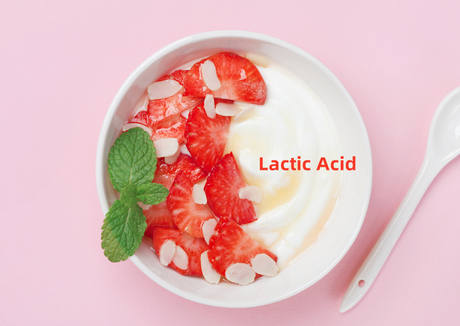
Lactic acid is also widely used in beverages, alcohol, and dairy products. In soft drinks and fruit juices it provides gentle acidulation, balances sweetness, and softens harsh sour notes. In beer it improves mashing efficiency, promotes yeast fermentation, suppresses spoilage organisms, and yields a cleaner, more refreshing flavor. In dairy, lactic acid is the very core of fermented flavor, while also adjusting pH and promoting casein coagulation.

Lactic acid also plays a valuable role in confectionery and jelly. As a solid acidulant, 60% lactic-acid powder helps prevent hard candies from becoming sticky or hygroscopic, preserves the elastic structure of jellies, improves the sweet-sour balance, and improves shelf stability. In cereal products, lactic acid prevents noodles from turning soft and gummy, improves the dough’s yeast-fermentation environment, and enhances the softness and flavor of bread.
The table below clearly shows how lactic acid differs from other common acidulants. The best choice depends on the specific application.
Application scenarios | Acids are preferred | Secondary/Combined Options | Key considerations | Remark |
Chilled fresh meat/ready-to-eat meat products (spray preservation) | Lactic acid | Sodium lactate + lactic acid | Antibacterial, color-protecting, pH-controlled | GB2760 allows for control of concentration to avoid excessive acidity. |
Yogurt/Fermented Dairy Products | Lactic acid | Citric acid (adjusted type) | Fermented flavor, protein coagulation | L-lactic acid preferred |
Plant-based protein drinks/plant-based milk | Lactic acid | Gentle acidification, prevents protein separation | L-lactic acid flavor is more natural. | |
Fruit juice/carbonated beverage | Citric acid | Malic acid compound | Refreshing fruit flavor, low cost | A 4:1 blend of citric acid and malic acid simulates the flavor of natural fruits. |
Sports drinks/electrolyte water | Malic acid | Citric acid | A lingering sour taste, masking the bitterness after sweeteners. | Malic acid has a long-lasting aftertaste, making it suitable for low-calorie products. |
Gummy candies/pectin candies | Malic acid + fumaric acid | Gel effect, acid release | Buffer lactic acid can prevent sucrose crystallization. | |
Hard candy/boiled sugar candy | Citric acid | Tartaric acid | Thermal stability, acidity intensity | Fumaric acid is suitable for low-moisture candies |
Pickled vegetables/pickled cucumbers | Acetic acid | Lactic acid compound | Vinegar aroma, antibacterial, and crispness retention | Lactic acid can reduce the irritation of acetic acid. |
Salad dressing/salad sauce | Lactic acid | Acetic acid | Mild acidity, no layering | Lactic acid is milder than acetic acid and does not mask the flavor of ingredients. |
Beer/Fruit Wine Brewing | Lactic acid | Citric acid | Saccharification, pH adjustment, and antibacterial properties | Lactic acid specifically formulated for beer, does not affect flavor. |
Baking fillings/sourdough | Lactic acid | Acetic acid | Fermented flavor, antibacterial and freshness preservation | Lactic acid simulates sourdough flavor |
Winemaking | Malic acid | Natural grape acidity | Tartaric acid is a natural organic acid in wine. | |
Infant formula | L-lactic acid | Citric acid | Safety and metabolic friendliness | D-lactic acid is prohibited. |
Clean label/natural concept products | Lactic acid | Citric acid | Fermentation source and consumer perception | Lactic acid is labeled as more "natural". |
• Lactic acid first choice: antimicrobial + flavor + mild sourness
• Citric acid first choice: versatile + low cost + bright refreshment
• Malic acid first choice: long finish + natural fruitiness + layered flavor
• Fumaric acid first choice: buffering + dry blending + heat stability
• Tartaric acid first choice: wine/beverages + dry clean taste + effervescence
• Acetic acid first choice: antimicrobial + pickling + vinegar note
In real formulations, a single acidulant is rarely used alone. Blending different acids layers the taste, producing a more complex, natural, and well-rounded sourness.
4.2 Lactic Acid vs. Lactates
The key difference is that lactic acid is the free acid, whereas lactates are the salts formed when lactic acid is neutralized by an alkali.
80% or 88% liquid lactic acid acts primarily as an acidity regulator—it lowers the pH of the food system, suppresses bacteria, adjusts acidity, and delivers a uniquely soft, lingering sourness. Common lactates include sodium lactate E325, calcium lactate E327, and potassium lactate E326, plus trace-element salts such as magnesium, zinc, ferrous, and copper lactate. Their main functions are moisturizing, water retention, and mineral fortification.
Food factories typically pair lactic acid with lactates. Lactic acid is mainly used for surface treatment: immersion or spraying quickly lowers the pH on the surface of meat to kill or inhibit surface pathogens. Lactates, by contrast, are added directly into the formula. Sodium and potassium lactate are mainly used to retain moisture in meat, improve yield, and make the juices more succulent; used together with lactic acid they also suppress Listeria.
One caution: after sodium lactate enters the body, the sodium ion participates in human metabolism, so people with hypertension should take note. Calcium lactate is commonly used as a calcium-fortification source in jellies, set-type yogurt, soy products, and bread baking. When lactic acid and lactates are blended in the right ratio, they combine the best of both: improved flavor and mouthfeel, stronger antimicrobial preservation, and a longer shelf life.

Lactic acid is used far beyond the food industry—including biodegradable polymers, pharmaceuticals and medical devices, cosmetics and personal care, industrial cleaning, and feed and agriculture.
Lactic acid’s most important industrial application is biodegradable polymers, a high-growth area attracting widespread attention. Lactic-acid powder feeds into the production of polylactic acid (PLA), which is fully biodegradable, breaking down into carbon dioxide and water with minimal environmental impact. PLA fibers are used in apparel, home textiles, and nonwovens, offering superior skin-friendliness, flame resistance, and breathability. Lactic acid also goes into eco-friendly packaging and single-use products that replace conventional petroleum-based plastics.
Lactic acid is also used in pharmaceuticals and medical devices. Because it is readily metabolized and absorbed by the human body, lactic acid and its derived polymers offer excellent biocompatibility and natural in-vivo degradation. Applications include absorbable surgical sutures and bone screws, drug-delivery carriers, medical disinfection, and aesthetic medicine.
Lactic acid also appears in cosmetics and personal-care products. It is a component of the skin’s natural moisturizing factor and a well-known member of the alpha-hydroxy acid (AHA) family. Lactic acid provides gentle exfoliation, brightens the complexion, delivers highly effective moisturization, and adjusts pH to keep the skin close to its natural weak-acid barrier.
As global environmental awareness grows, the use of traditional strong acids and organic solvents is increasingly restricted. Lactic acid is used in descaling and metal cleaning. Its esters—methyl, ethyl, and butyl lactate—are green solvents that can replace more toxic solvents such as toluene and xylene. They are widely used in coatings, inks, electronic cleaning, and photoresist strippers, offering low toxicity and low volatility.
Lactic acid also has important value in feed and agriculture. Feed-grade lactic acid acts as a feed acidifier, lowering gastrointestinal pH, suppressing pathogens, and promoting animal growth. Adding lactic acid to silage inhibits mold and spoilage organisms, preserving nutritional value and improving palatability. In aquafeed, lactic acid improves the microecology of the culture water and enhances the stress resistance of shrimp and fish, replacing part of the antibiotic growth promoters and aligning with the current antibiotic-free farming trend. In animal husbandry, high-concentration lactic acid goes into the production of low-toxicity pesticides and fungicides that are harmless to crops and soil. Lactic esters can also serve as a carbon source for bioremediation, promoting the degradation of pollutants in soil and groundwater.
When sourcing lactic acid, buyers should first align with their own production needs—deciding whether to purchase the common 80% or 88% liquid lactic acid or the 60% lactic-acid powder.
Whether dealing with a lactic acid supplier, distributor, wholesaler, or factory, verify business licenses and globally recognized certifications such as ISO 22000, Halal, FDA, FAMI-QS, and SGS. Request the corresponding lactic acid TDS, lactic acid COA, lactic acid SDS, and quality-system documentation with each shipment.
Once the above is confirmed, compare prices across multiple sources and choose the best option to control costs. Request small samples from several factories or suppliers, test them in-house, and select the one that offers the best combination of performance and price.
High-concentration lactic acid is weakly acidic and mildly corrosive. It must be packed in food-grade HDPE (high-density polyethylene) drums and stored under the factory’s recommended conditions—sealed, away from light, in a cool, dry, ventilated place. Do not ship or store it together with strong oxidizers or alkalis. Handle with care during transport to prevent package damage, moisture, heat, or rain, and keep it isolated from toxic materials. Once in the warehouse, keep it sealed and in a cool, dry environment; avoid leaving it open for long periods, which would absorb moisture and dilute the product or allow impurities to exceed limits.
Q1: Is lactic acid a food preservative?
A1: Lactic acid is not classified as a food preservative, but by adjusting food pH and altering the growth environment of certain microorganisms, it helps food manufacturers preserve products and manage microbes. It is generally used in combination with preservatives.
Q2: Is L-lactic acid suitable for “clean label” products?
A2: Yes. Because it is fermentation-derived, it is widely accepted in clean-label formulations.
Q3: Do you provide samples of lactic acid?
A3: Yes, we provide free lactic-acid samples of 50–100 g for your testing.
Naturally fermented lactic acid is not only a common food acidity regulator, but also one of the important organic-acid raw materials in modern food processing. It effectively controls food pH, adjusts overall acidity, manages microorganisms, and stabilizes food systems. If you are looking for a Chinese lactic-acid manufacturer, consider Polifar. We provide a one-stop sourcing service, supplying the right products and export support based on each buyer’s application, order volume, and target market.