 English

Views: 5 Author: Site Editor Publish Time: 2019-08-21 Origin: Site


Amino acids are essential for animal protein synthesis and play an irreplaceable role in animal growth, tissue repair, metabolic regulation, and normal physiological activities. Different animals and different growth stages have different amino acid requirements. The amino acid levels and balance in livestock, poultry, and aquaculture diets can affect protein utilization, feed conversion, growth performance, and the quality of animal products such as meat, eggs, and milk.
Therefore, feed additive suppliers and manufacturers worldwide are committed to providing high-quality feed additives for farmers and developing specialized formulations for different animal species and growth stages to support precision animal nutrition.
Common amino acids required by animals include L-Lysine, DL-Methionine, L-Threonine, L-Tryptophan, L-Valine, L-Isoleucine, L-Leucine, L-Arginine, and L-Glycine.
These amino acids perform different functions in protein synthesis, muscle growth, intestinal health, feather and hair formation, immunity, and metabolic regulation.
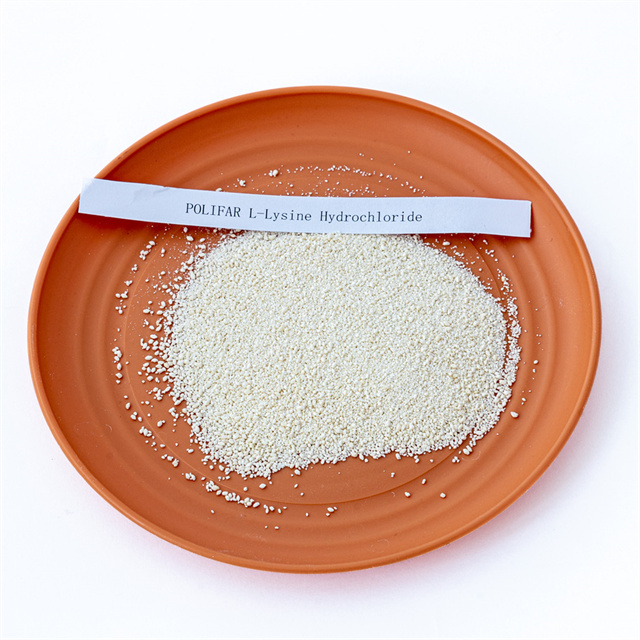
Lysine is one of the most important limiting amino acids for animals and is also one of the most widely used amino acids in feed additives.
In pig and poultry diets, lysine supports muscle protein synthesis, bone and tissue growth, lean meat deposition, and overall amino acid balance.
|
|
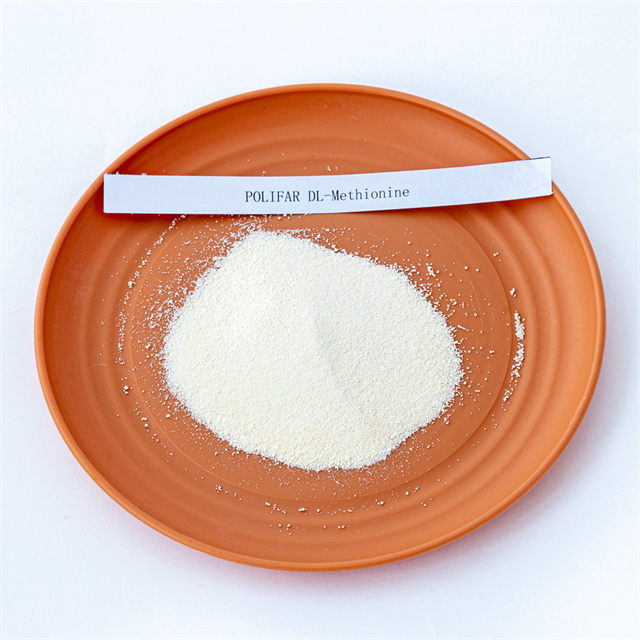
Methionine is an essential nutrient for poultry. It plays an important role in feather growth, egg production and egg quality, and egg weight in chickens, ducks, and geese.
Under normal conditions, lysine, methionine, and threonine are often used together to improve the overall amino acid balance of feed.
Threonine plays an important role in intestinal mucin synthesis and intestinal barrier function and supports the structure of the intestinal mucosa.
Therefore, threonine deserves particular attention in piglet nutrition and can help support normal intestinal function and reduce the risk of intestinal discomfort and diarrhea.
Tryptophan participates in the synthesis and metabolism of various important substances in animals. It is involved in protein and serotonin synthesis and contributes to melatonin metabolism, helping regulate the nervous system, feeding behavior, and stress responses.
In low-protein diets, tryptophan nutrition also needs to be appropriately balanced.
Branched-chain amino acids (BCAAs) include valine, leucine, and isoleucine.
BCAAs participate in muscle tissue metabolism, protein synthesis, growth and development, and energy metabolism. For rapidly growing animals such as broilers and finishing pigs, it is important to maintain a proper balance between essential amino acids and BCAAs.
A deficiency of any one amino acid can reduce the efficient utilization of protein.
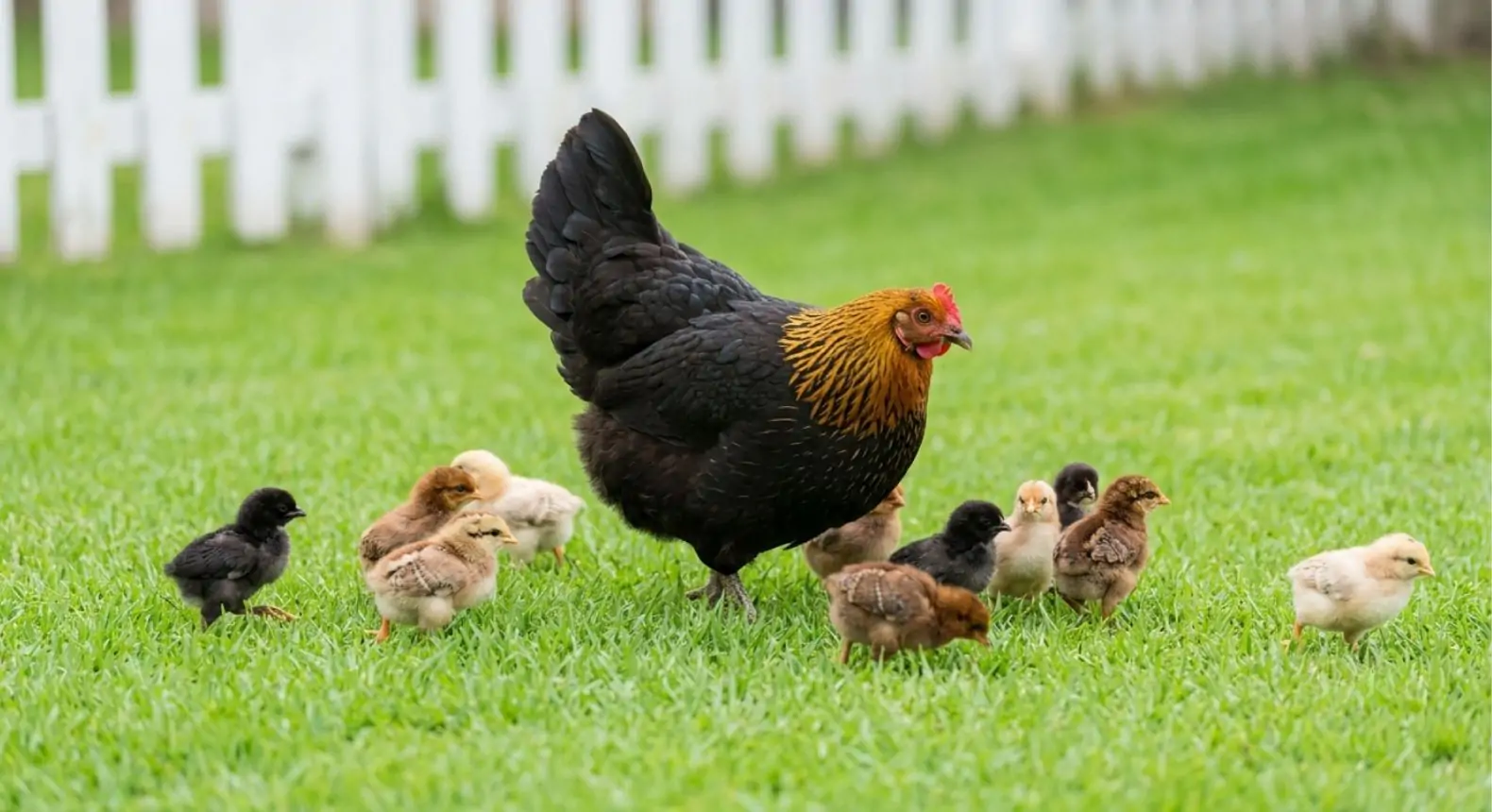
Different animal species have significantly different nutritional requirements for amino acids. Therefore, when evaluating the effects of amino acids, both animal species and production stage should be considered.
| Animals | Key amino acids | Primary Functions |
| Pigs | Lysine, threonine, methionine, tryptophan | Muscle growth, protein synthesis, gut health, feed intake, and stress regulation |
| Broilers | Lysine, methionine, threonine, valine | Muscle deposition, feather growth, feed utilization, and growth |
| Layers | Methionine, lysine, threonine | Egg-laying performance, egg weight, protein synthesis, and egg quality |
| Dairy cattle | Methionine, lysine, etc. | Supply of amino acids available in the small intestine, milk protein synthesis |
| Fish | Lysine, methionine, threonine, arginine, etc. | Growth, protein synthesis, and feed utilization |
| Shrimp | Lysine, methionine, etc. | Growth, tissue formation, and nutrient utilization |
| Rabbits | Methionine, cystine, lysine, etc. | Hair growth and tissue formation |
| Sheep | Methionine, cystine, etc. | Wool formation and tissue protein synthesis |
It is important to note that an amino acid identified as important does not necessarily represent the first limiting amino acid in every feed formulation. Actual requirements are much more complex and can be affected by raw material composition, animal breed, growth stage, and overall diet formulation.
The traditional emphasis on crude protein content in feed formulations is gradually shifting, as high crude protein levels do not equate to a balanced amino acid profile. A deficiency in even a single essential amino acid hinders the animal's ability to fully utilize other amino acids, thereby preventing efficient protein synthesis.
Modern animal nutrition prioritizes amino acid balance. Common strategies include reducing excessive protein-rich ingredients, precisely supplementing limiting amino acids, maintaining an adequate supply of essential amino acids, and enhancing protein utilization efficiency.
Achieving amino acid balance boosts animal growth performance, minimizes unnecessary protein intake and waste, and helps reduce nitrogen emissions. Polifar is committed not only to adhering to China’s green and sustainable development goals but also to supporting environmentally friendly practices in the global livestock industry.
Selecting the appropriate amino acid additives requires considering the animal species, growth stage, feed ingredients, and ultimate production goals. Since animals such as pigs, chickens, cattle, fish, and shrimp have different amino acid requirements, it is advisable to use standard nutritional formulations. If you are unsure, you can consult Polifar; while Polifar can provide formulations used by Chinese factories, these serve only as a reference. For the final, optimal formulation, it is recommended to consult a local animal nutritionist.
Nutritional needs for piglets, finishing pigs, broilers, laying hens, and lactating dairy cows vary by growth stage and require dynamic adjustments. Feed ingredients—such as corn, soybean meal, wheat, and fish meal—differ in their protein content and composition; therefore, one must precisely analyze which amino acids are most deficient based on the specific proportions of ingredients in the diet.
In animal husbandry, the approach to amino acid formulation must also be adjusted dynamically based on the intended output: for instance, animals raised for food require a focus on meat quality, egg quality, and weight, whereas those raised for hides, fur, or milk production require different nutritional strategies.
Achieving amino acid balance is akin to the "Law of the Minimum" (or the "barrel effect"): simply increasing the level of a single amino acid will not necessarily boost growth or output. Instead, the key is to supplement the most deficient amino acids and take a holistic approach to ensure an optimal balance, thereby yielding higher-quality end products.
Q1: Are more amino acids always better?
No.Amino acids need to be supplied in appropriate proportions. Excessive supplementation of a single amino acid does not necessarily improve animal performance and may result in nutrient waste. Amino acids should therefore be supplemented according to the specific nutritional requirements of the animal.
Q2: What foods are rich in methionine?
Foods rich in methionine include fish, meat, eggs, dairy products, soybeans, and nuts. Animal-based foods such as fish, chicken, beef, and eggs generally contain relatively high levels of methionine, while plant-based foods such as sesame seeds and Brazil nuts also provide methionine.
Q3: Is methionine content lower in plant-based foods than in animal-based foods?
Generally, plant-based foods tend to contain less methionine than many animal-based foods, but this is not true for every plant.
Fish, meat, eggs, and dairy products are generally good sources of methionine. Legumes, grains, nuts, and seeds also contain methionine, although methionine can be relatively limited in some plant proteins, particularly legumes.
The methionine content varies considerably among individual foods, so it is not accurate to say that all plant-based foods contain less methionine than animal-based foods.
Amino acids, together with vitamins, minerals, energy, and other nutrients, form the nutritional foundation required for animal life and production. Each amino acid has its own physiological functions and plays an important role at different stages of animal growth.
As feed formulation continues to move toward greater precision, amino acid nutrition will increasingly focus on amino acid balance, improved protein utilization efficiency, and precision animal nutrition.
Understanding the different functions of amino acids and their requirements in different animal species can help feed formulators develop more targeted and efficient nutritional strategies.
Polifar remains steadfast in its commitment to providing global customers with a one-stop procurement service—delivering a hassle-free experience, reliable products, and peace of mind through excellent after-sales support. We are dedicated to driving the efficient growth of your livestock farming business!