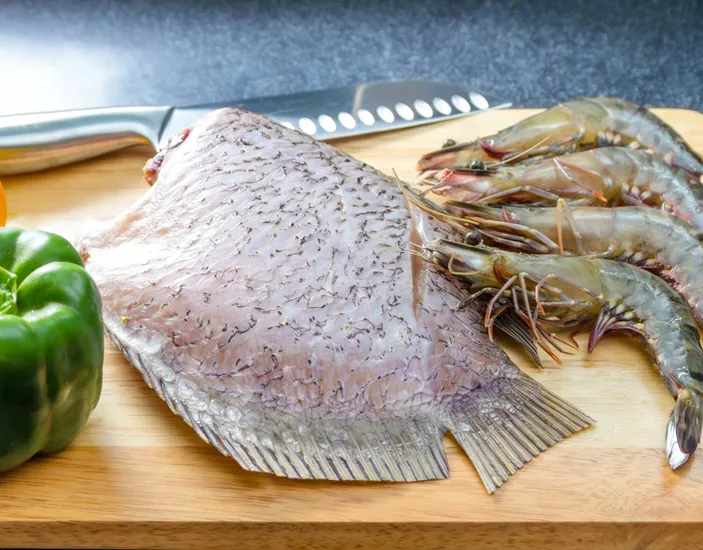
2026-03-26 Methionine is one of the most essential amino acids in feed additives. When Polifar Group received numerous inquiries from farmers, they found that DL-methionine and rumen-protected methionine were the most frequently asked questions. However, there are many types of methionine suitable for different animals, totaling five types: DL-methionine, L-methionine, rumen-protected methionine, hydroxymethionine analogues (MHA), and calcium hydroxymethionine (MHA-Ca). Each of these five types of methionine is tailored to different animals, farming scenarios, and cost requirements. Choosing the most suitable product can double farming efficiency, while choosing the wrong one can lead to wasted costs and reduced profitability. - Polifar
Read More 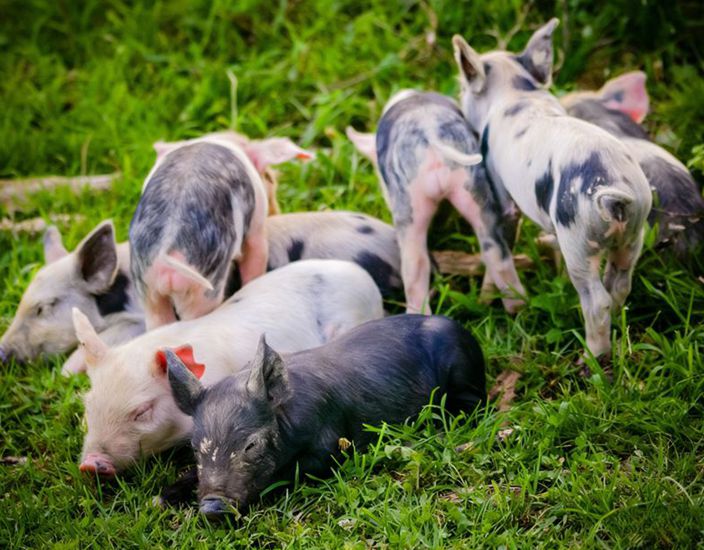
2026-03-25 Methionine, as the first limiting amino acid in feed additives, is of great importance to farmers. Currently, the global economic stagnation and rising prices of some raw materials have led to a shortage of methionine, causing its price to rise. This is especially true for large-scale, standardized farms, where the demand for methionine is even higher. To avoid waste and efficiently utilize feed-grade methionine, it is essential to choose higher-quality methionine suppliers. This article will focus on the scientific use of methionine in feed, its differentiated value, market functions, and future development trends, ensuring everyone understands the scientific application and market value of methionine in feed. - Polifar
Read More 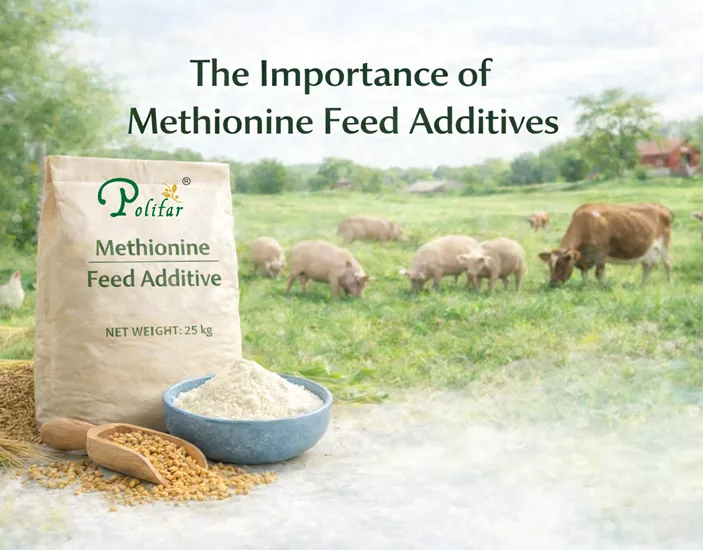
2026-02-04 This article mainly focuses on what methionine is, its core functions and effects, and how to achieve precise and scientific formulation. It emphasizes the important role of methionine in feed additives and highlights that polifar can provide professional advice and superior product quality and service for animal feed additives. - Polifar
Read More 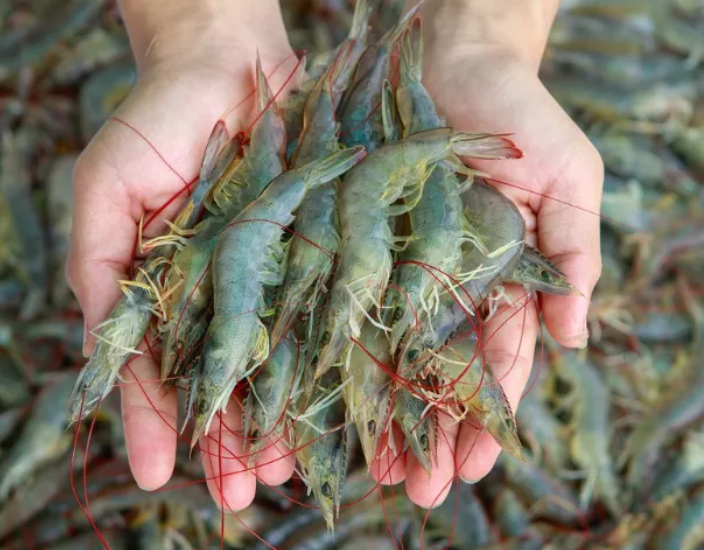
2022-12-16 Amino acid additives in aquatic feed mainly refer to limiting amino acids that cannot be synthesized by aquatic animals, namely lysine and methionine. The lack of limiting amino acids in aquatic feed often occurs when a large amount of plant protein feed is used.
Read More 
 English