
 English


Views: 9 Author: Site Editor Publish Time: 2019-09-02 Origin: Site


Amino acid feed additives play a vital role in modern animal husbandry and the feed industry. Many monomeric amino acids are produced via fermentation or chemical synthesis. They enable precise nutritional supplementation for animals, improve protein-utilization efficiency, lower feed-formulation costs, enhance production performance, and mitigate environmental pollution.
This article introduces the application scope of amino acid feed additives from multiple dimensions, including target animals, feed types, growth phases, amino acid varieties, practical application scenarios, and formulation-optimization benefits.
Amino acid feed additives participate in in-vivo protein synthesis in animals. They are critical for muscle growth, tissue repair, synthesis of enzymes and hormones, and maintenance of immune function. Common feed raw materials such as soybean meal, fish meal, rapeseed meal and corn contain natural amino acids. However, the content and digestibility of these inherent amino acids often fail to fully satisfy animals'nutritional requirements.
Common commercial amino acid feed additives include lysine, methionine, threonine, tryptophan, valine, arginine, glycine, leucine, isoleucine and others. When properly dosed by feed formulators, these additives fill amino-acid gaps in raw-material profiles and help complete dietary nutritional requirements for farm animals.
Amino acid feed additives are widely applied in poultry feeds, swine feeds, ruminant feeds, aquafeeds and other sectors. They compensate for nutritional deficiencies in raw materials, improve formulation accuracy, optimize production costs, and boost animal performance.
Physiological conditions, digestive systems, production objectives and essential-amino-acid requirements differ across animal species. Therefore, nutritional strategies must be customized for each animal type and its respective growth phase.
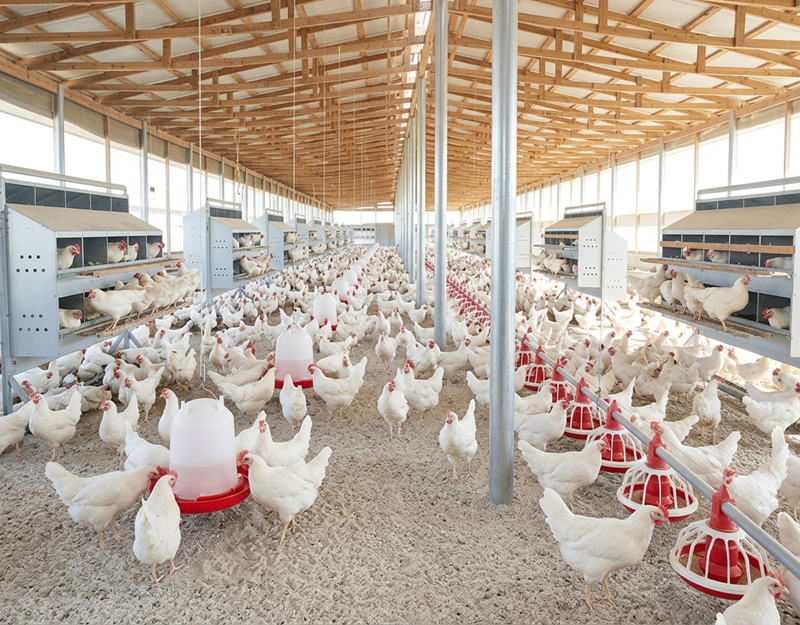
Target animals: Broilers, Laying Hens, Meat Ducks, Laying Ducks, Turkeys.
Sulfur-containing amino acids are essential for feather development and egg-albumen synthesis in poultry. Methionine serves as the primary limiting amino acid for poultry. Lysine and threonine are also frequently supplemented. Balanced amino-acid profiles promote protein synthesis and skeletal development, and reduce nutritional disorders such as growth retardation and feather loss.
Broilers: Prioritize methionine, lysine, threonine and valine.
Laying Hens: Focus on methionine and lysine to support egg production.
Meat / Laying Ducks: Balance amino acids (lysine, methionine, etc.) according to breed, age and dietary composition.
Turkeys: Require precise adjustment of essential-amino-acid ratios to support high muscle-growth demands.
In poultry nutrition, supplemented amino acids mainly support feather development, muscle accretion, laying performance and feed-conversion efficiency.
Target animals: Suckling Piglets, Nursery Pigs, Growing-Finishing Pigs, Gestating Sows and Lactating Sows.
Swine diets are typically formulated following the ideal-protein concept based on digestible amino acids.
Suckling Piglets: Emphasize lysine, threonine and tryptophan, considering feed intake, digestive capacity and growth demands.
Nursery Pigs: Balance lysine, methionine, threonine, tryptophan and other essential amino acids.
Growing-Finishing Pigs: Adjust amino-acid levels based on body weight, sex, growth rate and carcass targets.
Gestating and Lactating Sows: Modify amino-acid supply according to gestation stage, fetal development, milk yield and body condition.
Lysine is the primary limiting amino acid for swine. Proper amino-acid supplementation alleviates piglet diarrhea and intestinal damage, improves dietary protein utilization, sustains growth performance, and enables reduced inclusion of high-protein raw materials to optimize feed costs.
Target animals: Dairy Cows, Beef Cattle, Sheep, Goats.
Due to the unique rumen physiology of ruminants, free amino acids cannot be directly supplemented like in poultry or swine. Rumen-protected lysine and rumen-protected methionine are the preferred products.
Dairy Cows: Evaluate the bioavailability of rumen-protected methionine and lysine to achieve targeted nutritional balance.
Beef Cattle: Optimize amino-acid utilization based on weight-gain targets, dietary ingredients and ruminal protein supply.
Sheep / Goats: Flexibly adjust protein and amino-acid nutrition according to their growth cycles.
Free unprotected amino acids are degraded within the rumen and fail to reach the small intestine for absorption. Rumen-protected amino-acid products are adopted to enhance milk yield, weight gain, and improve amino-acid and nitrogen utilization efficiency.
Target animals: Finfish, Shrimp, Crabs and other aquatic species.
Lysine acts as the primary limiting amino acid for most aquatic animals. Taurine supplementation is also commonly required to support retinal and neural development and mitigate stress caused by transportation or seasonal environmental shifts.
Finfish: Adjust lysine, methionine and threonine flexibly according to fish species, body weight, farming conditions and protein sources.
Shrimp: Optimize amino-acid balance, protein utilization and feed palatability.
Crabs: Supplement arginine to support molting and relieve stress responses.
Supplemental lysine, methionine, threonine and other amino acids support aquatic animal growth, reduce fish-meal reliance, and deliver balanced, highly bioavailable nutrition.
Polifar has compiled a reference table based on *Feeding Standard of Swine (NY/T 65-2004)*, NRC Nutrient Requirements for Poultry, *Feeding Standard of Chicken (NY/T 33)*, *Nutrient Requirements for Yellow-Feathered Broilers (NY/T 3645)*, and industrial datasets for meat-duck nutrition. The table lists recommended dietary inclusion rates for different amino acids across animal species and growth phases.
Note: Variations arise from animal genetics, growth rate, farming environment, and raw-material amino-acid digestibility. These values serve only as formulation references rather than statutory standards. Formal feed formulation must incorporate raw-material assay results and digestible-amino-acid modelling for precise calculation.
Different priorities apply for each animal growth stage:
| Animal Categories | L-Lysine | DL-Methionine | L-Threonine | L-Tryptophan | L-Valine | L-Arginine | Taurine | Glycine | L-Leucine / Isoleucine |
| Broilers | Initial stage 0.9–1.1% | 0.4–0.55% | 0.65–0.8% | 0.18–0.22% | 0.8–0.9% | 1.1–1.3% | - | 0.5–1.0% | Ideal Protein Concept |
| Layers | 0.6–0.8% | 0.35–0.4% | - | - | - | - | - | - | Ideal Protein Concept |
| Meat ducks | 0.8–1.0% | 0.38–0.5% | 0.7–0.85% | 0.17–0.21% | 0.75–0.85% | 1.0–1.2% | - | 0.6–1.0% | Ideal Protein Concept |
| Egg-laying ducks | 0.55–0.75% | 0.32–0.38% | 0.55–0.7% | 0.14–0.19% | 0.7–0.8% | 0.8–1.0% | - | 0.4–0.8% | Ideal Protein Concept |
| Turkeys | 1.0–1.3% | 0.45–0.6% | 0.7–0.9% | 0.20–0.25% | 0.85–1.0% | 1.2–1.4% | - | 0.6–1.1% | Ideal Protein Concept |
| Suckling piglets | 0.9–1.2% | 0.3–0.4% | 0.9–1.1% | 0.20–0.25% | 0.8–1.0% | 0.8–1.2% | - | - | Ideal Protein Concept |
| Weaned piglets | 0.8–1.1% | 0.28–0.38% | 0.8–1.0% | 0.18–0.23% | 0.75–0.95% | 0.7–1.1% | - | - | Ideal Protein Concept |
| Growing-finishing pigs | 0.5–0.9% | 0.22–0.32% | 0.6–0.75% | 0.15–0.20% | 0.65–0.85% | 0.6–0.9% | - | - | Ideal Protein Concept |
| Pregnant sows | 0.5–0.7% | 0.20–0.28% | 0.5–0.65% | 0.13–0.18% | 0.7–0.9% | 0.5–0.7% | - | - | Ideal Protein Concept |
| Lactating sows | 0.8–1.0% | 0.25–0.35% | 0.7–0.9% | 0.17–0.22% | 0.9–1.1% | 0.7–0.9% | - | - | Ideal Protein Concept |
| Dairy cattle | 0.3–0.5% | 0.2–0.3% | 0.25–0.4% | 0.08–0.12% | 0.3–0.45% | 0.4–0.6% | - | - | Ideal Protein Concept |
| Beef cattle | 0.25–0.45% | 0.18–0.28% | 0.22–0.35% | 0.07–0.11% | 0.28–0.4% | 0.35–0.55% | - | - | Ideal Protein Concept |
| Sheep | 0.20–0.35% | 0.15–0.25% | 0.20–0.30% | 0.06–0.10% | 0.25–0.35% | 0.3–0.45% | - | - | Ideal Protein Concept |
| Goats | 0.22–0.38% | 0.16–0.26% | 0.21–0.32% | 0.06–0.10% | 0.26–0.38% | 0.32–0.48% | - | - | Ideal Protein Concept |
| Fish | 1.0–1.5% | 0.4–0.6% | 0.6–0.8% | 0.15–0.22% | 0.7–0.9% | 1.0–1.4% | - | 1.0–2.0% | Ideal Protein Concept |
| Shrimp | 1.2–1.6% | 0.7–0.9% | 0.7–0.9% | 0.18–0.24% | 0.8–1.0% | 1.8–2.5% | 0.3–0.5% | 1.0–2.0% | Ideal Protein Concept |
| Crabs | 1.1–1.5% | 0.65–0.85% | 0.65–0.85% | 0.17–0.23% | 0.75–0.95% | 1.6–2.2% | 0.25–0.45% | 1.0–2.0% | Ideal Protein Concept |
Early Juvenile Phase: Ensure sufficient essential amino-acid supply, good nutrient digestibility, adequate daily feed intake, normal tissue development and rapid growth.
Nursery And Rapid-Growth Phase: Focus on standardized digestible lysine and balanced complementary amino-acid ratios.
Finishing Phase: Tune amino-acid-to-energy ratios according to body-weight classes to promote muscle deposition and average daily gain.
Reproductive Phase: Adjust dietary protein and amino-acid ratios along reproductive cycles, together with vitamin supplementation, to support fetal development.
Lactation And Laying Phase: Match amino-acid supply to production output and voluntary feed intake to boost milk and egg output.
Aquatic Rapid-Growth Phase: Maintain balanced essential amino acids to support growth, improve feed-utilization efficiency and facilitate water-quality management.
Amino-acid requirements are not static throughout animal lifecycles. Body weight, daily gain, milk yield, egg-laying rate, ambient temperature, disease pressure and dietary energy levels all influence practical dosage requirements.
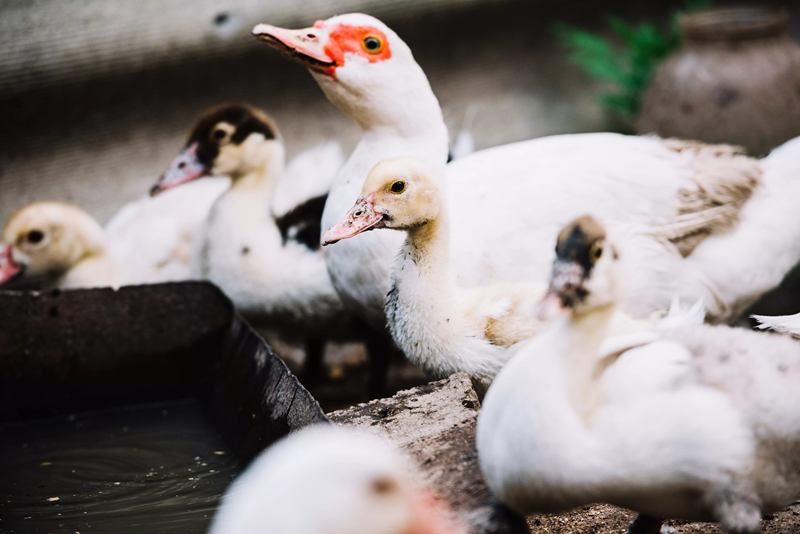
Animal growth relies on adequate protein nutrition. Balanced amino-acid profiles, alongside vitamins and trace minerals, exert irreplaceable effects on animal development.
Natural amino acids in raw feed materials are not fully bioavailable. Targeted amino-acid supplementation corrects dietary amino-acid imbalance, promotes animal growth and enhances end-product quality.
Plant-based protein sources show large nutritional variability. Amino-acid additives compensate for nutritional shortcomings of these alternative ingredients.
When essential digestible amino-acid requirements are fully satisfied, moderate reduction of dietary crude-protein content lowers nitrogen intake and excretion, thus mitigating adverse environmental impacts.
Supplementing feeds with amino acids enables precise nutritional fortification and reduces feed costs. Under Chinese farming conditions, amino-acid additives decrease dependence on imported soybeans and fish meal. They also improve animal health status and help reduce antibiotic usage, supporting antibiotic-free sustainable livestock production. High-quality livestock end-products consequently enter the market, benefitting human health.
Q1: What is the difference between L-lysine hydrochloride and L-lysine hydrochloride?
A1: These two identical names refer to the same product. If you intend to compare L-lysine hydrochloride versus L-lysine sulfate, differences exist in chemical composition, available lysine content and product characteristics. Select the appropriate product according to your feed-formulation requirements.
Q2: Can I obtain free methionine samples?
A2: Samples are available upon request. Free-sample eligibility and freight responsibility depend on sample volume, destination and specific terms and conditions.
Q3: Will samples match the batch and quality of bulk commercial orders?
A3: Samples are not necessarily produced from the same manufacturing batch as bulk goods. Nevertheless, both samples and bulk shipments shall comply with mutually agreed product specifications and quality standards. Consistency can be verified via batch-specific certificates of analysis and incoming-goods inspection.
Q4: How soon will orders be shipped after placement?
A4: Lead time depends on inventory status, order volume, production schedules and selected transport modes. Confirm estimated delivery timelines with sales staff prior to placing orders.
As an important class of feed additives, amino acids play a key role in healthy animal production. The amino-acid market retains substantial growth potential and will keep contributing to global livestock farming.
Polifar, a supplier of feed additives, delivers one-stop amino-acid procurement services for livestock producers worldwide. The company is widely recognized for premium-grade products and reliable customer service. You are welcome to contact us.


