
 English

Views: 0 Author: Site Editor Publish Time: 2026-02-03 Origin: Site


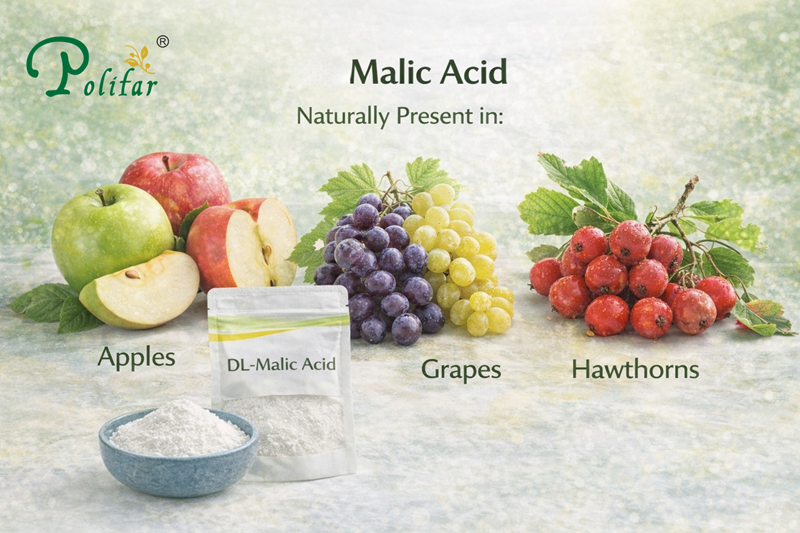
DL-Malic Acid, chemically known as 2-hydroxybutyric acid, is naturally found in many fruits, such as apples, grapes, and hawthorns, and is one of the main components that give these fruits their refreshing sour taste. It is a dicarboxylic acid containing a hydroxyl group and is an important organic acid that is irreplaceable in many areas of life. Currently, DL-Malic Acid has become an indispensable core raw material in food processing, pharmaceutical manufacturing, and animal feed. This article will provide a reference for a wide range of customers and related practitioners from the perspectives of the functions and multiple applications of DL-Malic Acid.
1. Functions and Applications of DL-Malic Acid in Food Processing
In the food industry, DL-Malic Acid has three functions: acidity regulation and flavor enhancement; effective pH regulation and preservation; and improved food quality, integration, and stabilization.
(1) Acidity Regulation and Flavor Enhancement
DL-Malic Acid has a refreshing sour taste, with an acidity 1.2-1.3 times that of citric acid. The sour taste lasts a long time and has a mellow aftertaste. It works synergistically with other acidulants such as citric acid and fumaric acid to make the overall sour taste stronger and more rounded, thereby reducing the total amount of acid used and saving costs.
When food factories use high-intensity sweeteners, such as aspartame and acesulfame potassium, there may be an unpleasantly sweet taste due to excessive concentration. DL-malic acid can effectively improve the taste, making the sweetness purer and more natural.
In food and beverage processing plants, adding an appropriate amount of DL-malic acid to natural fruit juices such as apple juice and pear juice can effectively increase acidity and restore the original flavor of the fruit. Adding it to sports drinks creates a wonderful combination with electrolytes, which can both regulate the taste and quickly relieve acid-base imbalance caused by fatigue.
(2) Effective pH Regulation and Preservation
As an organic acid, DL-malic acid can regulate and lower the pH value of food systems, thereby inhibiting the growth and reproduction of microorganisms. Although not as effective as professional preservatives such as benzoic acid and sorbic acid, it still has a certain effect when placed in food, and is non-toxic, healthy, and safe, meeting the requirements of clean production. In meat processing, such as for sausages, ham, and bacon, adding DL-malic acid can inhibit the growth of harmful microorganisms like Clostridium botulinum and E. coli. It also slows down the oxidative rancidity of meat fat, extending the product's shelf life.
Lowering the pH value reduces the activity of certain enzymes, effectively maintaining the color and freshness of canned and frozen fruits and vegetables. For example, in the production of canned fruits like peaches and apples, it can prevent browning of the fruit flesh, keeping it bright in color; in frozen vegetable processing, it can act as a color-protecting agent and preservative, reducing nutrient loss and quality deterioration during freezing and storage.
(3) Excellent Integrating and Stabilizing Capabilities
DL-malic acid can chelate metal ions (such as iron, copper, and calcium). This prevents catalytic oxidation of food, effectively integrates metal ions that accelerate oil rancidity and pigment oxidation, and extends the shelf life of edible oils, nuts, and meat products.
In terms of color stabilization, it prevents metal ions from complexing with pigments such as anthocyanins, maintaining the product's vibrant color.
In the production of gelled foods (such as jelly), it controls the release of calcium ions, adjusting gel strength and texture.
In the baking process, DL-malic acid reacts with leavening agents such as sodium bicarbonate to produce carbon dioxide gas, causing the dough to expand and resulting in a softer texture and more uniform internal structure in baked goods. Simultaneously, it regulates the pH of the dough, improves the extensibility and elasticity of gluten, and enhances the appearance and taste of baked goods.
In dairy processing, DL-malic acid can be added to products such as yogurt and cheese. It can promote the fermentation of lactic acid bacteria, shorten the fermentation time, and improve the acidity and flavor of yogurt, making it more refreshing. In cheese making, it can regulate the curdling process, making the cheese more delicate and flavorful. Furthermore, in frozen desserts such as ice cream and popsicles, DL-malic acid can lower the freezing point of the product, improve the texture of ice cream, making it smoother and more delicate, while enhancing the refreshing sensation.
2. Significant Contributions of DL-Malic Acid in the Pharmaceutical Field
Pharmaceutical-grade DL-malic acid requires extremely high purity, typically exceeding 99.5%, and has much stricter pharmacopoeia standards (such as USP, EP, ChP) in terms of impurity control, microbial limits, and heavy metal content than food-grade DL-malic acid. This is because it concerns human health.
(1) As an excipient in pharmaceutical preparations
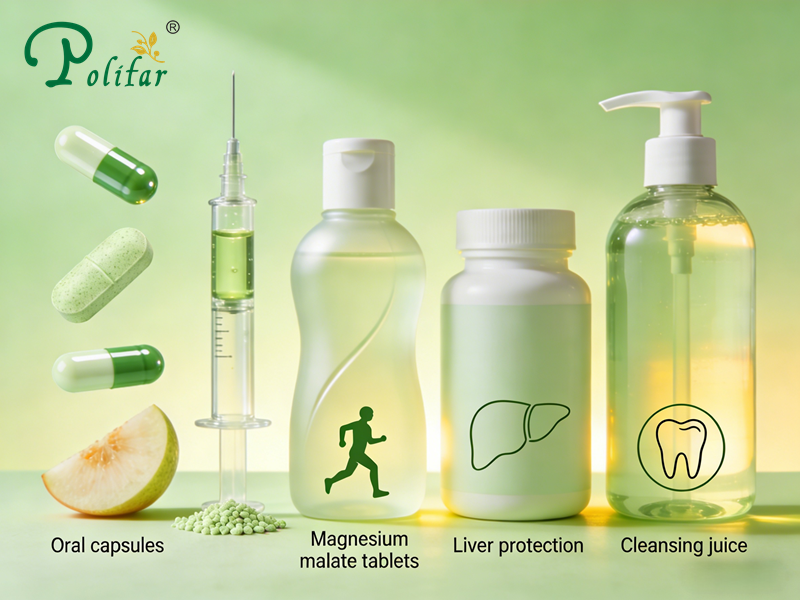
pH adjuster: In pharmaceutical preparations, the stability and solubility of many drugs are closely related to the pH value of the preparation. DL-malic acid can improve the stability and bioavailability of drugs by adjusting the pH value of the preparation. Flavoring Agents: Improve the bitter taste of oral medications (especially pediatric medications) and enhance medication adherence. For example, in oral preparations of antibiotics, vitamins, etc., adding DL-malic acid can improve the taste of the medication, mask its bitterness and off-flavors, and improve patient adherence. Solubilizers: In injectable preparations, it can act as a solubilizer to increase the solubility of poorly soluble drugs, ensuring the efficacy of the medication.
(2) Health Functions
Although DL-malic acid is a mixture, it contains L-malic acid, an important intermediate in the human tricarboxylic acid cycle (the core of energy metabolism). Therefore, DL-malic acid is often used for:
Relieving Fatigue: The complex of L-malic acid and magnesium (magnesium malate) has been studied for improving symptoms of chronic fatigue syndrome and fibromyalgia, possibly by promoting ATP production.
Supporting Liver Function: Participates in the urea cycle and assists in ammonia metabolism.
Oral Health: Added to some mouthwashes to regulate pH and freshen breath.
3. The Important Role of DL-Malic Acid in Animal Feed and Food
Currently, global animal husbandry is moving towards a more refined approach. To increase animal feed intake, in addition to essential nutrients, it is also necessary to optimize the taste of animal feed and food. This way, animals eat more, are nutritionally richer, and have a higher market competitiveness in terms of weight and meat quality.
(1) Promoting Growth and Improving Feed Efficiency
Lowering Gastrointestinal pH: Adding DL-Malic Acid to the feed of young animals (such as piglets and calves) can lower the pH in the stomach, activate pepsinogen, promote the digestion and absorption of nutrients such as protein, fat, and carbohydrates in the feed, and improve feed utilization.
Antibacterial Effect: An acidic environment can inhibit the proliferation of harmful bacteria such as Escherichia coli and Salmonella in the intestines, creating a suitable environment for the growth and reproduction of intestinal flora, promoting the growth of beneficial bacteria, inhibiting the growth of harmful bacteria, thereby improving the intestinal health of animals. It also reduces diarrhea.
As an Energy Intermediate: It participates in the energy metabolism of animals, which may improve the energy utilization efficiency of feed and reduce breeding costs.
(2) Improved Palatability and Meat Quality
DL-malic acidhas a refreshing sour taste, which can improve the flavor of feed and mask the off-flavors and bitterness of some feed ingredients. For example, it can prevent unpleasant odors from certain minerals and vitamins from affecting animal diet and improve the palatability of feed. Adding an appropriate amount of DL-malic acid to the feed of livestock and poultry such as pigs, chickens, and ducks can significantly increase animal feed intake, especially in the feed of young animals such as piglets and chicks. It can stimulate the taste development of young animals, enhance appetite, and provide sufficient nutrition for animal growth and development.
Studies have shown that adding malic acid to feed may affect the glycolysis process of muscle after slaughter, which has potential benefits for improving meat quality (such as reducing the incidence of PSE meat).
(3) Pet Food
Currently, pet food also occupies an important position in the market. Pet lovers regard cats and dogs as an indispensable family member in their lives and pay close attention to their diet. Adding DL-malic acid to cat and dog treats and wet food can effectively improve pets' appetite. At the same time, its oral pH regulation effect may also have indirect benefits for pets' oral health.
Conclusion
DL-malic acid, with its unique natural sourness, distinctive flavor-enhancing capabilities, effective integrative properties, and potential for metabolic participation, has achieved remarkable success in the food, pharmaceutical, and animal feed industries.
In the future, as consumer demand for "clean labels" and "natural health" grows, DL-malic acid, derived from natural fruit flavors, will become even more attractive. As a natural organic acid, DL-malic acid will see increasingly wider applications across various industries, representing a huge market potential. Polifar will continue its efforts to provide the highest quality DL-malic acid to the global food, pharmaceutical, and animal feed industries, injecting new momentum into their development!


